Benefits of Custom Wooden Crates for International Shipping (Complete Guide 2026)
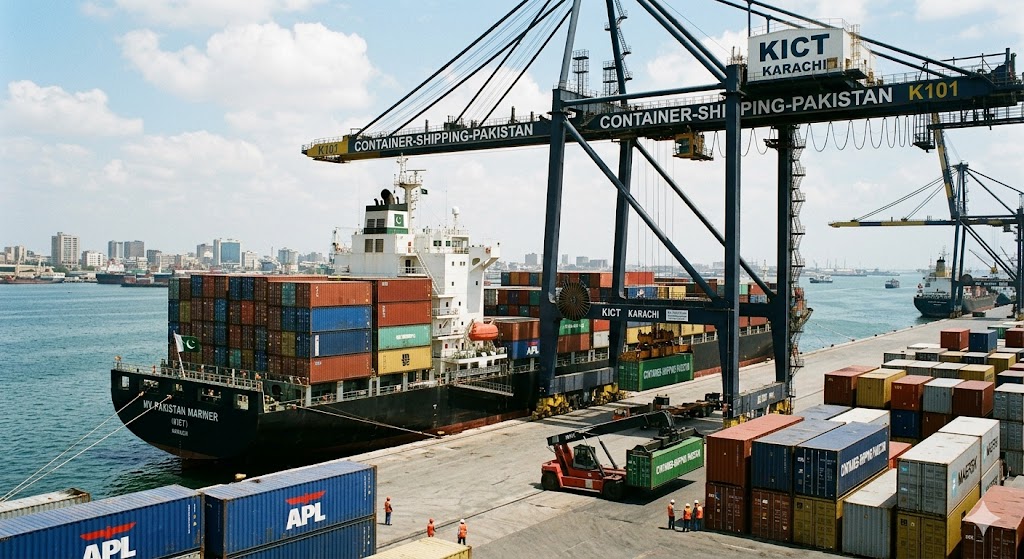
By Best International Movers & Logistics · Updated: July 2026 · 15+ Years Experience · 5,000+ Shipments · 100+ Countries
Key Takeaways
- Custom wooden crates can be engineered to carry loads from 100 kg to over 50,000 kg — no standard packaging comes close
- ISPM 15 heat-treated crates are mandatory for export to USA, EU, UK, Australia, Canada, China, Japan, and 80+ other countries
- Professional wooden crates reduce international shipping damage claims by 55–70% versus cardboard or plastic packaging
- Custom-fit crates eliminate internal movement — the #1 cause of shipping damage — by securing cargo against all 6 sides
- Reusable wooden crates provide ROI within 2–4 shipments versus the recurring cost of disposable packaging
- Pakistan's export industries — textiles, surgical instruments, sports goods, machinery — all benefit significantly from professional wooden crating
- Best International Movers & Logistics provides ISPM 15 certified custom wooden crates across Karachi, Lahore, Islamabad, Rawalpindi, and Faisalabad
Introduction — Why Packaging Decides the Fate of Your International Shipment
Every year, Pakistani exporters lose billions of rupees to preventable international shipping damage. Machinery arrives bent. Electronics arrive shattered. Surgical instruments arrive corroded. Artworks arrive scratched. The culprit is almost always the same: inadequate packaging that was never designed to withstand the brutal realities of international freight — 30-day ocean voyages, port crane drops, container stacking, humidity extremes, and rough handling at multiple transit points.
Custom wooden crates are the definitive solution to this problem. Unlike off-the-shelf cardboard boxes, standard plastic packaging, or generic wooden pallets, a custom wooden crate is engineered specifically for your cargo — its exact dimensions, its exact weight, its specific fragility points, and the specific hazards of its international journey. The crate becomes a protective shell built around your product, absorbing every shock, blocking every moisture ingress, and distributing every load force. When combined with our logistics services Pakistan team, crating becomes part of a complete export protection strategy — not an afterthought.
With over 15 years of export packing experience, 5,000+ successful international shipments to 100+ countries, and manufacturing facilities serving exporters across Karachi, Lahore, Islamabad, Rawalpindi, and Faisalabad, Best International Movers & Logistics has packaged everything from delicate surgical instruments to 40-tonne industrial generators. This complete guide shares everything we have learned about why custom wooden crates are the most valuable investment in your international shipping process.
What Are Custom Wooden Crates?
A custom wooden crate is a structural packaging solution designed and built to the exact specifications of a specific cargo item or group of items. Unlike standard commercial packaging (cardboard boxes, generic wooden crates from stock), a custom crate is engineered from scratch — with dimensions, load capacity, internal bracing, cushioning system, and exterior construction all determined by the cargo's requirements.
Components of a Professional Custom Wooden Crate
| Component | Function & Specifications |
|---|---|
| Base/Skid | The foundation — typically 75mm x 50mm or 100mm x 75mm timber runners, designed to support full load weight and allow forklift entry |
| Frame | Structural corner and intermediate uprights — 50mm x 50mm to 100mm x 100mm timber depending on load requirements |
| Sheathing/Cladding | Exterior panels — minimum 12mm plywood for standard cargo, 18–25mm for heavy loads |
| Internal Bracing | Diagonal and horizontal cross-members to prevent frame racking under dynamic loads |
| Internal Cushioning | Foam, rubber mounts, or blocking/bracing timber to immobilise cargo inside the crate |
| Lid/Top Panel | Removable or fixed lid — with weatherproofing seal for sea freight or moisture-sensitive cargo |
| Moisture Barrier | Polythene lining, VCI (Volatile Corrosion Inhibitor) film, or desiccant packs for corrosion-sensitive cargo |
| Hardware | Lag bolts, ring nails, steel strapping, corner protectors, and shock indicators where required |
| ISPM 15 Marking | Official IPPC stamp showing country code (PK), producer ID, treatment method (HT/MB), and year |
Types of Custom Wooden Crates
| Crate Type | Best For | Key Feature |
|---|---|---|
| Open-frame crate | Non-fragile, ventilation-needed cargo, agricultural equipment | Maximum visibility, air circulation, lower weight |
| Closed panel crate | Fragile goods, moisture-sensitive cargo, electronics | Full protection on all 6 sides, weatherproof |
| Skeleton frame crate | Very heavy machinery, unusual shapes | Maximum strength, minimum wood, heavy-lift rated |
| Collapsible wooden crate | Return shipments, reusable applications | Folds flat for return shipping — space efficient |
| Wire mesh/wood hybrid crate | Cargo requiring inspection without opening | Sides are mesh — inspected without unpacking |
| Museum-quality crate | Art, antiques, collectibles | Vibration-isolated, climate-controlled options |
| Ramp-access crate | Vehicles, rolling equipment | Built-in loading ramps — self-loading capability |
| Multi-item shared crate | Multiple components of one machine | Internal dividers, one crate for a complete system |
Why International Shipping Requires Better Protection Than Domestic Moving
Most Pakistani businesses first encounter international shipping with assumptions formed by domestic experience. A domestic truck delivery might take 12 hours — international sea freight takes 30–50 days. Domestic roads have potholes — international shipping subjects cargo to ocean swells, crane lifts, stacking under tonnes of other containers, and temperature swings from Pakistani heat to ocean cold to destination climate. The physical demands are categorically different.
| Physical Hazard | International Shipping Severity | Standard Packaging Risk |
|---|---|---|
| Impact / Drop | Crane drops, port handling — up to 3G impact force | Cardboard fails at 0.5G — shatters, tears |
| Vibration | Ship engine vibration for 30+ days continuously | Cardboard degrades, loose items abrade |
| Moisture / Humidity | Sea air humidity 80–95%, condensation in container | Cardboard absorbs moisture, collapses, molds |
| Temperature extremes | -5°C to 55°C across a single voyage | Plastic becomes brittle, adhesives fail |
| Compression / Stacking | 20-tonne containers stacked 9-high | Cardboard crush strength: 300–1,000kg max |
| Duration | 30–50 days constant exposure | Cardboard shelf life under 15% humidity exposure: days |
| Chemical exposure | Salt air corrosion, cargo fumigation | Most standard packaging offers zero protection |
Custom wooden crates are specifically engineered to handle all of these hazards simultaneously. They are not a packaging upgrade — they are a completely different class of cargo protection designed for the realities of international freight. For any cargo with replacement cost above the price of the crate, professional export packing with wooden crating is not a luxury: it is risk management.
Top 15 Benefits of Custom Wooden Crates for International Shipping
Benefit 1: Superior Protection Against Physical Damage
Physical impact is the most common cause of international shipping damage — and the one custom wooden crates address most decisively. A well-engineered wooden crate functions as a structural cage around your cargo, transferring impact forces through the frame and base rather than into the cargo itself. The crate takes the damage; the cargo does not.
- Impact resistance: Structural timber frame can absorb and distribute impact forces that would instantly destroy cardboard or plastic packaging
- Corner protection: Custom-built corner blocking ensures the most vulnerable points of any cargo are protected by the strongest part of the crate
- Drop protection: The crate base and runners are engineered to survive forklift drops and crane swings without transmitting force to the cargo
- Crush resistance: Timber frames support stacking loads — a 20mm plywood-sheathed crate can support tonnes of stacked cargo above it
Benefit 2: Comprehensive Moisture Protection
Moisture damage is Pakistan's exporters' most expensive and least visible enemy in international shipping. A 30-day sea freight voyage exposes cargo to ocean humidity of 85–95% continuously. Steel rusts. Wood warps. Electronics short-circuit. Textiles mould. Leather stains. Custom wooden crates with professional moisture management eliminate these risks entirely.
- Moisture barrier lining: VCI (Volatile Corrosion Inhibitor) film applied inside the crate creates a sealed moisture-free environment
- Desiccant integration: Silica gel or calcium chloride desiccant bags mounted inside the crate actively absorb humidity during transit
- Sealed construction: All crate panel joints are sealed with weatherproof caulking — eliminating moisture ingress points
- Elevated cargo placement: Internal blocking raises cargo above the crate floor — preventing contact with any condensation
- VCI paper wrapping: For metal components, VCI-impregnated paper provides a sacrificial corrosion-protection layer
Benefit 3: Professional Shock Absorption
International shipping subjects cargo to constant vibration — ship engine vibration at 5–50Hz runs continuously for weeks, causing resonance damage in mechanical equipment, loosening bolts in assembled machinery, and fatiguing metal components. Custom wooden crates with engineered shock-absorption systems prevent all of these failure modes.
- Anti-vibration mounts: Rubber-isolation mounts decouple the cargo from the crate frame, preventing vibration transmission
- Foam blocking: Custom-cut closed-cell foam fills all voids between cargo and crate interior — eliminating movement in any direction
- Spring-system mounting: For extremely sensitive cargo (precision instruments, electronics), spring-suspension systems are built into the crate structure
- Blocking and bracing: Timber blocking cut to exact cargo profiles immobilises the cargo against all six directional forces
Benefit 4: Perfect Custom Fit — Zero Internal Movement
The most common cause of shipping damage is not impact from outside the package — it is cargo moving inside the package during transit. A cargo item that slides 5cm with every ocean wave for 30 days generates millions of internal impact cycles. Custom fit eliminates this entirely — your cargo has zero clearance to move.
- Exact interior dimensions: The crate interior is built to the cargo's exact profile — no excess space, no void fill risk
- Custom-profile blocking: Internal timber blocking is cut to the exact contours of irregular-shaped cargo
- Multi-axis immobilisation: The cargo is secured against movement in X, Y, and Z axes plus rotation — true 6-DOF (degrees of freedom) restraint
- The 'zero-shake' test: A professionally packed wooden crate should produce no sound when gently shaken — silence means zero internal movement
Benefit 5: Exceptional Heavy Load Capacity
No other packaging medium comes close to wooden crates for heavy cargo. Cardboard has a practical limit of 50–100 kg per carton. Plastic drums cap out at a few hundred kilograms. Custom wooden crates — engineered with the right timber dimensions and structural specifications — handle individual loads of 1 tonne, 10 tonnes, 50 tonnes, or more. Pakistan's engineering, oil & gas, and industrial sectors depend on this capability for every heavy equipment export.
- Load capacity engineering: Our structural team calculates the exact timber dimensions required for your specific load weight using beam loading formulas
- Base skid design: The base skid is the most critical structural element — we engineer it for both static load (sitting on a surface) and dynamic load (forklift tine point loading)
- Cumulative load management: For container stacking, we calculate the 9-high stacking load and engineer the crate top to distribute it safely
- Heavy machinery: Single crates for industrial turbines, compressors, and presses weighing 5,000–50,000 kg are a standard service
Benefit 6: Full ISPM 15 Compliance — Access to 80+ Countries
ISPM 15 (International Standards for Phytosanitary Measures No. 15) is the single most important regulatory requirement for wooden packaging in international trade. Issued by the International Plant Protection Convention (IPPC), ISPM 15 requires that all wooden packaging material used in international trade — crates, pallets, dunnage — is treated to eliminate the risk of invasive wood pests and diseases.
Countries Requiring ISPM 15 Compliance
USA, European Union (27 countries), United Kingdom, Canada, Australia, China, Japan, South Korea, India, Brazil, Mexico, Russia, UAE, Saudi Arabia, and 70+ other countries. Non-compliant wooden packaging is rejected at destination port, fumigated at exporter's cost (USD 500–2,000+), or destroyed.
ISPM 15 Treatment Methods
| Treatment Method | Details & Pakistani Context |
|---|---|
| Heat Treatment (HT) | Core temperature of 56°C for 30+ continuous minutes. Most common method. The IPPC mark shows 'HT'. Our facilities in Karachi and Lahore use modern kiln-drying chambers for certified HT treatment. |
| Dielectric Heating (DH) | Microwave technology heats wood to 60°C. Fast and effective. Less common in Pakistan. |
| Methyl Bromide (MB) | Chemical fumigation — being phased out globally due to environmental impact. Some countries no longer accept MB-treated wood. |
| Sulfuryl Fluoride (SF) | Replacement for MB in countries where MB no longer accepted. Available from certified fumigators. |
ISPM 15 Marking Requirements
- The wheat symbol (IPPC logo)
- Two-letter country code: PK (Pakistan)
- Unique producer code — assigned by Pakistan's NPPO (National Plant Protection Organization)
- Two-letter treatment code: HT (Heat Treatment), MB (Methyl Bromide), or SF (Sulfuryl Fluoride)
- Best International Movers & Logistics is a registered ISPM 15 treatment provider — all our crates carry valid IPPC marking
Benefit 7: Superior Cargo Stability in Container
When a custom wooden crate is loaded into a shipping container, its flat, square surfaces make optimal contact with the container floor and walls — maximising friction and minimising movement during transit. The crate's own structural rigidity means it cannot deform under dynamic loading, maintaining perfect cargo positioning throughout the voyage.
- Square geometry: Custom crates are built with exact 90-degree corners — they fit together in a container like precision components, with no wasted space and maximum mutual support
- Container lashing points: Custom crates can be built with integrated ISO-standard lashing points for direct attachment to container tie-down rings
- Self-bracing arrangement: Multiple crates in a container are designed to brace each other — each crate's rigid structure supports the next
- Anti-slip base treatment: The crate base runners can be treated with anti-slip coating or fitted with rubber pads for maximum container floor friction
Benefit 8: Dramatically Reduced Shipping Damage Claims
The business case for custom wooden crates is ultimately financial. Shipping damage claims cost Pakistani exporters not just the replacement cost of damaged goods — they cost customer relationships, reputation, potential contract cancellations, and insurance premium increases. Professional wooden crating eliminates the vast majority of these costs.
| Packaging Type | International Shipping Damage Rate (Industry Average) |
|---|---|
| Standard cardboard boxes | 8–15% damage rate for heavy/fragile cargo |
| Plastic crates/packaging | 5–8% damage rate |
| Generic wooden crates (off-shelf) | 3–5% damage rate |
| Custom wooden crates (professionally engineered) | 0.3–0.8% damage rate |
| Best Int'l Movers custom wooden crates | 0.2% damage rate across 5,000+ shipments |
The mathematics are clear. A PKR 5,000,000 shipment with a 10% cardboard damage rate has an expected loss of PKR 500,000 per shipment. The same shipment in custom wooden crates with a 0.5% damage rate has an expected loss of PKR 25,000. The crate pays for itself before it even leaves Pakistan.
Benefit 9: Significant Cost Savings Over Time
Custom wooden crates appear to have a higher upfront cost than cardboard or plastic alternatives — but this comparison ignores the complete financial picture. When you account for damage claims, insurance premiums, replacement shipments, customer compensation, and reusability, wooden crates consistently deliver lower total cost of ownership.
- Damage elimination: Each damage claim avoided saves the replacement cost of goods plus all associated logistics costs
- Insurance premium reduction: Insurers offer 15–25% lower marine cargo insurance premiums for professionally-crated shipments
- Reusability: Quality wooden crates last 5–15 shipments — amortising the construction cost across multiple uses
- Rejection elimination: ISPM 15 non-compliance rejection costs (demurrage, re-treatment, delay penalties) are permanently eliminated
- Customer retention: Zero damage rate preserves buyer relationships worth far more than any individual shipment
Benefit 10: Marine Cargo Insurance Benefits
Marine cargo insurers around the world apply risk-based pricing — and professional wooden crating is one of the most significant risk-reduction factors in their assessment. Declaring professional wooden crating on your insurance policy is not just documentation — it directly reduces your premium.
- Premium reduction: Professionally packed cargo in custom wooden crates typically qualifies for 15–25% lower marine insurance premiums
- Claims acceptance: Insurance claims for goods packed in custom wooden crates have near-100% acceptance rates — proof of professional packing is the strongest defence against 'inherent vice' claim exclusions
- Valuation basis: Insurers accept replacement value for goods in professional custom crates — goods in inadequate packaging may only receive market value
- IPP (Institute Cargo Clauses A): The broadest marine coverage is more readily available for professionally crated cargo
- Documentation: Our packing certificate, crate specification drawings, and photographic records provide complete insurance documentation
Benefit 11: Safer Freight Handling — Protecting Your Workers and Carriers
Unsafe packaging is not just a cargo damage risk — it is a safety risk for every worker who handles your shipment, from our packing team in Karachi to dock workers in Rotterdam to warehouse staff in Birmingham. Custom wooden crates with engineered lifting points, clear weight markings, and structural integrity protect everyone in the handling chain.
- Clearly marked forklift entry points: Custom bases are designed with correct forklift tine spacing and load capacity marked on the exterior
- Engineered lifting lugs: For heavy crates, certified lifting lugs are welded to internal steel sub-frames — with Safe Working Load (SWL) marked on the crate
- Clear weight and handling markings: Total gross weight, weight distribution, centre of gravity, and handling instructions all marked on crate exterior in English and Arabic/Chinese as required
- Structural integrity: A crate that will not fail during handling protects workers from crush injury — unlike cardboard boxes that can collapse unexpectedly
- IMO IMDG compliance: For dangerous goods, wooden crates can be built to IMO International Maritime Dangerous Goods Code specifications
Benefit 12: Optimised Loading and Unloading Efficiency
Custom wooden crates are not just protective packaging — they are an efficient logistics tool. Their precise dimensions, standardised base heights, and engineered handling features make loading and unloading faster, safer, and more cost-effective at every point in the supply chain.
- ISO container optimisation: Custom crates are designed to maximise the usable volume of the container — reducing wasted space and lowering per-unit freight cost
- Stackability: Engineered top loading capacity allows crates to be stacked 2–3 high in a warehouse, maximising storage density before and after shipping
- Forklift compatibility: Standard base heights (typically 100mm) are designed for compatibility with all standard forklift equipment worldwide
- Quick-release lid design: Lids are designed for rapid, safe removal without tools where required — or tamper-evident where security is needed
- Internal unpacking sequence: For complex multi-component cargo, internal configuration is designed for logical unpacking sequence at destination
Benefit 13: Long-Term Reusability and Sustainability
A professionally manufactured custom wooden crate is not a single-use item — it is an asset. With proper maintenance, a quality wooden crate made from sustainable timber can survive 5–15 international shipments, dramatically reducing per-shipment packaging cost and environmental impact compared to single-use cardboard or plastic alternatives.
- Return shipment savings: Returned empty crates travel at minimal freight cost — next shipment's packaging cost is near-zero
- Maintenance requirements: Simple — replace any damaged panels or runners between shipments. Structural timber frames rarely need replacement.
- Timber lifecycle: End-of-life crates can be repurposed as workshop storage, furniture, or chipped for biomass — no landfill required
- Carbon accounting: Timber sequesters carbon during its growing phase — wood packaging has a significantly lower lifetime carbon footprint than plastic or steel alternatives
- FSC-certified timber: We source timber from FSC-certified sustainable forestry suppliers — eligible for environmentally-conscious supply chain reporting
Benefit 14: Environmental and Regulatory Benefits
As global sustainability reporting requirements tighten — EU CBAM, UK green supply chain standards, and ESG reporting for multinational buyers — the environmental profile of your packaging is increasingly a commercial consideration. Custom wooden crates made from certified sustainable timber position Pakistani exporters favourably.
- EUDR Compliance: EU Deforestation Regulation requires supply chain due diligence for timber products — FSC-certified crate timber satisfies this requirement
- Carbon footprint: Wood packaging has the lowest lifecycle carbon footprint of any structural packaging material — important for Scope 3 emissions reporting
- Recyclability: Wood is fully biodegradable and recyclable — plastic packaging is not, and steel has high embodied carbon
- Green procurement: Many multinational buyers are now requiring sustainable packaging certification from Pakistani suppliers — wooden crates with FSC timber satisfy this requirement
Benefit 15: Professional Brand Image and Buyer Confidence
Your packaging arrives before your salespeople do. When a UK buyer opens their receiving dock to find a professionally branded, ISPM 15 stamped, precision-engineered custom wooden crate — before they even open it, they know they are dealing with a serious, professional Pakistani supplier. This perception of professionalism has real commercial value.
- Brand identity: Custom crates can be painted or stencilled with your company name, logo, and export details — every shipment is a brand touchpoint
- Buyer confidence: Professional packaging tells buyers that the same standard of care went into manufacturing your product
- Inspection confidence: When a customs inspector opens a well-organised wooden crate, they see professionalism and accuracy — increasing the likelihood of smooth customs clearance
- Photographic presentation: Professional crating photographs (pre-shipment) sent to buyers demonstrate quality before delivery
- Case study material: Well-documented professional shipments become your sales portfolio — showing potential buyers the quality standard you maintain
Types of Cargo That Require Custom Wooden Crates
| Cargo Category | Why Wooden Crates Essential | Pakistani Export Context |
|---|---|---|
| Heavy Machinery | Weight exceeds all other packaging limits. Requires precision load distribution. | Textile machinery, rice processing plants, oil field equipment |
| Industrial Equipment | Irregular shapes, sensitive components, assembly complexity | Engineering goods from Karachi, Lahore industrial zones |
| Fragile Electronics | Shock and vibration sensitivity, moisture damage risk | IT equipment imports, electronics for industrial use |
| Surgical Instruments | Precision dimensions, sterility packaging, regulatory compliance | Sialkot's USD 400M+ surgical instrument export industry |
| Automotive Parts | Metal corrosion, dimensional precision, bulk quantities | Auto parts imports and exports |
| Oil & Gas Equipment | Weight, dimensions, operational criticality, corrosion risk | OGDC, PSO, international oil company project imports |
| Artworks & Antiques | Irreplaceability, fragility, humidity sensitivity | Cultural exports, gallery consignments, auction shipments |
| Furniture | Surface finish protection, assembly, moisture sensitivity | Pakistani furniture exports to UK, Canada, UAE |
| Glass & Ceramics | Extreme fragility, custom blocking essential | Tiles, sanitary ware exports from Pakistan |
| Scientific Equipment | Precision calibration, vibration sensitivity, high value | University and research institution imports |
| Military & Defence | Security, classified dimensions, regulatory compliance | Government and defence sector equipment |
| Museum Pieces | Irreplaceable, climate controlled transport requirements | Cultural artefacts for international exhibitions |
Industries That Benefit Most from Custom Wooden Crates in Pakistan
Surgical Instruments Industry — Sialkot
Sialkot produces over 80% of the world's surgical instruments and exports to hospitals and distributors across Europe, USA, Canada, Australia, and the Middle East. Surgical instrument shipments require: custom foam-lined wooden crates that maintain sterilisation integrity, precise interior dimensions that prevent instruments touching each other, moisture-controlled environments (instruments rust rapidly in sea air), and documentation packages that prove packaging integrity to FDA and CE certification bodies. Our Sialkot export packing team specialises in surgical instrument crating that meets FDA, CE, and ISO 13485 standards.
Textile Machinery Industry — Faisalabad & Lahore
Faisalabad's textile mills are among the world's most productive — and they constantly import and export textile machinery worth millions of dollars per shipment. Modern looms, spinning frames, dyeing equipment, and finishing machines are precision-engineered, delicate, and enormously expensive. A single incorrectly packed textile machine can arrive with misaligned frames, broken sensors, or bent shafts — costing hundreds of thousands of dollars to repair. Our heavy machinery relocation and crating service provides the structural engineering, vibration isolation, and moisture protection these shipments demand.
Engineering & Manufacturing — Karachi Industrial Zone
Karachi's industrial zone encompasses steel fabricators, chemical plants, food processing equipment manufacturers, and general engineering companies. These businesses regularly import large fabricated steel components, industrial vessels, compressors, and generators — and export Pakistani-manufactured engineering products to regional markets. Custom wooden crates for these items routinely involve structural engineering calculations for loads of 5,000–50,000 kg, crane-lift rated designs, and multi-component internal organisation systems.
Oil & Gas Sector — Pakistan-Wide
Pakistan's oil and gas sector — OGDC, Mari Petroleum, PPL, MOL — imports highly specialised equipment including wellhead assemblies, drilling equipment, pipeline fittings, and process control instruments. This cargo combines extreme weight, precision dimensions, and criticality of operation. Equipment damaged in transit can shut down a production field for weeks — with losses far exceeding any shipping cost. Our freight management services team provides the structural crating solutions these project shipments require.
Custom Wooden Crates vs Other Packaging Options — Definitive Comparison
Wooden Crates vs Cardboard Boxes
| Factor | Custom Wooden Crates | Cardboard Boxes | Winner |
|---|---|---|---|
| Max load capacity | 50,000 kg+ | 50–100 kg | 🏆 Wooden Crates |
| Moisture resistance | Excellent (with VCI lining) | Very Poor — collapses when wet | 🏆 Wooden Crates |
| Stacking strength | Engineered to spec | 300–1,000 kg max | 🏆 Wooden Crates |
| Sea freight suitability | Excellent | Poor — degrades over weeks | 🏆 Wooden Crates |
| Custom fit capability | Perfect — built to exact specs | Limited — standard sizes only | 🏆 Wooden Crates |
| ISPM 15 compliance | Certifiable | Not applicable | 🏆 Wooden Crates |
| Initial cost | Higher | Lower | 🏆 Cardboard |
| Reusability | 5–15 shipments | Single use | 🏆 Wooden Crates (lifecycle) |
| Insurance premium impact | Reduces premium | May increase premium | 🏆 Wooden Crates |
| Damage rate (heavy cargo) | 0.3–0.8% | 8–15% | 🏆 Wooden Crates |
Wooden Crates vs Plastic Packaging
| Factor | Custom Wooden Crates | Plastic Containers/Crates | Winner |
|---|---|---|---|
| Temperature range | -40°C to +80°C stable | Brittle below -10°C, soft above 50°C | 🏆 Wooden Crates |
| Repairability | Easy field repair with timber | Requires specialist repair or replacement | 🏆 Wooden Crates |
| Custom engineering | Any size, any load | Limited to standard mould sizes | 🏆 Wooden Crates |
| Sustainability | Biodegradable, renewable | Petroleum-based, limited recyclability | 🏆 Wooden Crates |
| Availability in Pakistan | Excellent — local timber and skills | Limited for large industrial sizes | 🏆 Wooden Crates |
| Impact absorption | Natural timber flex absorbs impact | Rigid — transmits impact directly | 🏆 Wooden Crates |
| Cost | Moderate | Can be lower for standard sizes | 🏆 Plastic (standard sizes) |
| ISPM 15 requirement | Required (treated timber) | Not required | 🏆 Plastic |
Wooden Crates vs Metal Containers
| Factor | Custom Wooden Crates | Metal Containers/Frames | Winner |
|---|---|---|---|
| Corrosion risk | None (timber) | High — steel rusts in sea air | 🏆 Wooden Crates |
| Weight | Lighter — reduces freight cost | Heavier — increases freight cost | 🏆 Wooden Crates |
| Thermal conductivity | Low — insulating properties | High — conducts heat/cold to cargo | 🏆 Wooden Crates |
| Spark hazard (flammable cargo) | None | Steel sparks risk in explosive atmospheres | 🏆 Wooden Crates |
| Cost | Lower | Higher — metal fabrication cost | 🏆 Wooden Crates |
| Magnetic interference | None | Can interfere with magnetic instruments | 🏆 Wooden Crates |
| Extreme heavy loads | Up to 50 tonnes engineered | Up to 100 tonnes possible | 🏆 Metal |
| Permanent reuse | 5–15 years | 20+ years possible | 🏆 Metal |
How Professional Custom Wooden Crates Are Manufactured
Understanding the manufacturing process helps you evaluate the quality of any wooden crating service and ensures you get the protection your cargo deserves. At Best International Movers & Logistics, every custom crate follows a rigorous 10-step manufacturing process:
- Step 1 — Cargo Assessment: Our packing engineer visits your facility or warehouse in Karachi, Lahore, Islamabad, or Faisalabad to measure cargo dimensions, assess weight, identify fragility points, and determine specific hazards (moisture sensitivity, vibration sensitivity, value, routing).
- Step 2 — Structural Design: Based on the assessment, our engineering team designs the crate structure — timber species and grades, panel thickness, frame dimensions, base skid configuration, internal blocking plan, and hardware specifications.
- Step 3 — Drawing Production: A technical drawing is produced showing all crate dimensions, material specifications, ISPM 15 stamp placement, and internal arrangement. This is shared with the client for approval before manufacturing.
- Step 4 — Timber Selection and Sourcing: Timber is selected — typically kiln-dried pine for standard crates, or hardwood for heavy-load applications. All timber is sourced from suppliers with verified chain of custody. Moisture content is checked (target: <19% for ISPM HT compliance).
- Step 5 — ISPM 15 Heat Treatment: All timber destined for export is heat-treated in our registered kiln facilities. Core wood temperature is brought to 56°C and maintained for a minimum of 30 minutes. Temperature loggers record the treatment cycle for certification.
- Step 6 — Cutting and Machining: Treated timber is cut to specification using precision saws. Plywood panels are cut to exact dimensions. All components are pre-drilled where required to prevent timber splitting.
- Step 7 — Base Assembly: The base skid and frame are assembled first — this is the structural foundation of the crate. Joints are made using ring-shank nails (which resist withdrawal) and structural adhesive on critical joints.
- Step 8 — Cargo Placement and Blocking: The cargo is positioned on the base and internal blocking is installed — timber pieces cut to the exact profile of the cargo are fitted around and under all load points. Foam or rubber anti-vibration material is placed between timber blocking and cargo surfaces.
- Step 9 — Sheathing and Lid Installation: Plywood panels are fixed to the frame on all sides. The lid is installed — either fixed or removable depending on destination requirements. All exterior joints are sealed with weatherproof caulking.
- Step 10 — Final Inspection, Marking & Documentation: The completed crate is inspected against the specification drawing. ISPM 15 stamps are applied to all four sides. Labels are applied. A packing certificate is issued documenting cargo condition, ISPM 15 treatment certificate number, crate specifications, and responsible packer's signature.
Common Export Packing Mistakes Pakistani Businesses Make
| Common Mistake | Consequence & Correct Approach |
|---|---|
| Using recycled/second-hand crates from stock | Old crates may have hidden structural defects, incorrect ISPM 15 dates, or dimensions that do not fit the cargo. Always use new crates built to specification. |
| Underestimating cargo weight for crate design | A crate designed for 500kg that carries 800kg will fail structurally — potentially in a container. Always provide accurate weight at the design stage. |
| Skipping ISPM 15 treatment to save cost | Saves PKR 5,000–15,000 on treatment. Risks PKR 500,000+ in demurrage, refumigation, and delay penalties. Never skip ISPM 15. |
| Using non-structural internal packing (newspaper, bubble wrap alone) | Light fill materials compress and settle over 30 days of vibration — cargo becomes mobile after 1-2 weeks. Use timber blocking, not fill materials, for immobilisation. |
| Not photographing cargo before crate closure | Without pre-shipment photographs showing cargo condition inside the crate, insurance claims cannot prove that damage occurred in transit rather than before packing. Always photograph. |
| Packing multiple items in one crate without separation | Multiple items touching each other vibrate against each other for the entire voyage. Each item must be individually blocked with no contact with other items. |
| Choosing crate size to minimise wood cost | A crate that is too small compromises structural integrity and may crush cargo during handling. Build to correct specifications — not minimum material cost. |
| Not accounting for internal packaging adding to dimensions | The finished crate with internal blocking is larger than the cargo dimensions — always work backwards from cargo dimensions to final external crate dimensions. |
| Using green (unseasoned) timber | Green timber shrinks and warps as it dries in transit — joints loosen, panels bow, and structural integrity is compromised. Use kiln-dried timber only. |
| Omitting handling instructions on exterior | Forklift operators, crane operators, and dock workers worldwide cannot protect cargo they do not understand. Clear markings prevent mishandling. |
Expert Tips for International Shipping with Custom Wooden Crates
- Design for the worst case — not the average. Your crate will encounter its most extreme handling at the point you least expect it. Design to survive a 1-metre drop, a 45-degree tilt, and maximum stacking load simultaneously.
- Include a desiccant indicator card inside the crate. These colour-changing cards turn pink when humidity inside the crate has exceeded safe levels — providing evidence of moisture conditions during transit.
- For high-value cargo, include a shock-watch or tip-and-tell indicator on the crate exterior. These visual indicators show if the crate was dropped or tipped beyond safe limits — critical evidence for insurance claims.
- Number every crate in a multi-crate shipment with a fraction (Crate 1 of 6, 2 of 6...) and include a total crate count on all shipping documents. Missing crates are identified immediately rather than days later.
- For machinery requiring assembly at destination, include the assembly sequence diagram laminated inside the crate lid. Maintenance engineers at destination can begin work without waiting for documentation from Pakistan.
- Match crate external dimensions to container internal dimensions before manufacturing. An efficient container fill of 85–95% reduces freight cost per unit. Our team designs crate sets that optimise container volume.
- For shipments to humid destinations (Southeast Asia, Gulf, tropical Africa), add double the standard desiccant quantity and use VCI film even for cargo that appears moisture-tolerant. Prevention is always cheaper than replacement.
- Request a site survey even for 'simple' crating requirements. A trained packing engineer sees weight distribution issues, fragility points, and handling risks that a client may not — and the survey is free with Best International Movers & Logistics.
Real Case Study — Textile Machinery Export from Faisalabad to Bangladesh
Client: A Faisalabad-based textile machinery manufacturer exporting a complete spinning line to a Bangladeshi textile mill.
Challenge: The shipment consisted of 14 individual machines totalling 28,000 kg, with the largest unit weighing 4,200 kg. The machinery contained precision bearings and electronic control systems sensitive to vibration and moisture. Previous shipments using standard wooden packaging had arrived with bent frames, corroded bearings, and one complete machine requiring remanufacture.
Our Solution: Our engineering team conducted a full site survey at the client's Faisalabad facility. We designed 14 custom crates with individual engineering for each machine — the 4,200 kg unit required a 100mm x 100mm structural timber frame with a 200mm deep base skid rated for 6,000 kg with crane-lift rated steel lifting lugs. All electronic control panels were isolated on rubber anti-vibration mounts and sealed in VCI-film moisture barriers within the crates. Desiccant packages provided humidity control for the 12-day transit. All 14 crates were ISPM 15 heat-treated at our Faisalabad facility.
Result: 14 out of 14 machines arrived in Bangladesh in perfect condition. Zero damage claims. The client calculated that the professional crating investment of PKR 480,000 saved them PKR 2,200,000 in avoided repair costs based on their previous shipment experience. They have used our crating service for every subsequent export shipment.
Customer Success Story — Surgical Instrument Exporter, Sialkot
“Before using Best International Movers & Logistics for our wooden crating, we were losing approximately 3–4% of our surgical instrument exports to shipping damage claims every year. Instruments were arriving with surface scratches, rust spots from sea air, and occasionally with delicate tips bent or broken. Our European buyers were starting to question our quality standards — even though the damage was clearly from packaging failure, not manufacturing.
The crating team visited our factory in Sialkot, assessed our complete instrument range, and designed a modular crating system with custom-cut foam inserts that hold each instrument type individually — zero contact between instruments, zero movement in any direction. The foam inserts are VCI-treated to prevent any corrosion during transit. The crates are ISPM 15 certified for our EU and UK buyers.
In the 18 months since switching to their wooden crating service, our damage claim rate has dropped from over 3% to 0.2%. Our EU buyer has commended our packaging quality in writing. Our insurance premium dropped by 18%. And we have used the professional packaging photographs in our sales presentations — it demonstrates the quality and care we put into every shipment. The ROI is undeniable.”
— CEO, Sialkot Surgical Instruments Exporter
Best International Movers & Logistics provides professional wooden crating services across Pakistan. Custom-engineered crates for any cargo, any weight, any destination. ISPM 15 heat treatment certified. Manufacturing facilities in Karachi, Lahore, and Islamabad. Door-to-door export packing and freight forwarding.
Explore our full service offering: wooden crating services pakistan
Export Packing Checklist — Custom Wooden Crates
Before Manufacturing
- Cargo dimensions confirmed (L × W × H) — all protrusions measured
- Cargo weight confirmed on calibrated scale — not estimated
- Fragility assessment completed — fragile points identified and noted
- Destination country ISPM 15 requirement confirmed — treatment method selected
- Moisture sensitivity assessed — VCI and desiccant requirement determined
- Vibration sensitivity assessed — anti-vibration mount specification determined
- Crane lift requirement confirmed — lifting lug specification agreed
- Container type confirmed — crate dimensions optimised for container
- Customer approval of crate design drawing received
During Manufacturing
- Timber moisture content tested (<19% for HT compliance)
- ISPM 15 heat treatment completed and logged with temperature record
- Base skid assembled and load-tested before cargo placement
- Cargo condition photographed before placement in crate
- Internal blocking and cushioning installed per design specification
- VCI film and desiccant packages installed
- Cargo condition photographed inside open crate before closure
- Lid secured with specified fasteners — weatherproof seal applied
- ISPM 15 stamps applied to all four sides
- All required exterior markings applied: weight, handling instructions, destination
Before Shipment
- Packing certificate issued and signed
- ISPM 15 treatment certificate obtained from NPPO-registered facility
- Pre-shipment photographs provided to client
- Crate specification sheet provided for insurance documentation
- Bill of Lading cargo description matches crate contents exactly
- Any shock-watch or humidity indicators installed and photographed
From a single precision instrument to a 50-tonne industrial generator, Best International Movers & Logistics designs and manufactures custom wooden crates for every cargo type. Our engineering team conducts free site surveys across Karachi, Lahore, Islamabad, Rawalpindi, and Faisalabad. Contact us today for your custom crating requirement.
Learn more about our custom crating services.
Conclusion — Custom Wooden Crates Are the Foundation of Safe International Shipping
International shipping is an unforgiving environment for inadequately packaged cargo. A 30-day ocean voyage subjects your goods to constant vibration, ocean humidity, temperature extremes, stacking pressure, and the inevitable rough handling of ports and container yards around the world. Standard packaging — cardboard, generic plastic, off-the-shelf crates — was never designed for this environment.
Custom wooden crates are not just packaging. They are precision-engineered protective structures built specifically around your cargo, for your specific route, in compliance with the specific regulatory requirements of your destination country. They are the difference between a machine that arrives working and one that arrives broken. Between a buyer relationship preserved and one destroyed. Between an insurance claim avoided and one that takes months to resolve.
With 15+ years of experience, 5,000+ successful international shipments to 100+ countries, ISPM 15 certified manufacturing facilities in Karachi, Lahore, and Islamabad, and a dedicated engineering team that serves exporters across Pakistan — Best International Movers & Logistics is your complete wooden crating partner for international shipping. Whether you are a Sialkot surgical instrument exporter, a Faisalabad textile machinery company, a Karachi industrial equipment manufacturer, or a Lahore engineering firm — your cargo deserves the best protection available through our wooden crating services and custom crating services.
20 Frequently Asked Questions — Custom Wooden Crates for International Shipping
Definitive answers from Pakistan's leading export packing specialists with 15+ years of wooden crating experience.
What is ISPM 15 and which countries require it for wooden crates?
ISPM 15 is an IPPC standard requiring treated wooden packaging in international trade to prevent pest spread. It is mandatory for exports to the USA, EU, UK, Canada, Australia, China, Japan, and 80+ other countries. Non-compliant crates may be rejected, fumigated at exporter cost, or destroyed at destination.
How much do custom wooden crates cost in Pakistan?
Costs depend on size, load capacity, timber specs, and cushioning. Small crates often run PKR 8,000–25,000; medium crates PKR 25,000–80,000; large industrial crates PKR 80,000–300,000; very heavy project cargo requires custom engineering quotes. ISPM 15 treatment and internal blocking are typically included.
What types of wood are used for export shipping crates in Pakistan?
Common species include kiln-dried pine for standard crates, deodar for moisture resistance, plywood sheathing, and hardwoods like sheesham for heavy-load skids. All natural wood components must meet ISPM 15 treatment requirements for export.
How long does it take to manufacture custom wooden crates?
Simple crates: 2–3 business days. Medium complexity: 3–5 days. Heavy-lift engineered crates: 5–10 days. Large project sets: 10–20 days. ISPM 15 heat treatment adds about one business day.
Can custom wooden crates be reused for multiple international shipments?
Yes. Quality kiln-dried timber crates can often survive 5–15 shipments with panel and runner maintenance. Re-export requires valid ISPM 15 marking and replacement of desiccant or VCI materials between uses.
What is the difference between heat treatment and fumigation for ISPM 15?
Heat treatment (HT) raises core wood temperature to 56°C for 30+ minutes with no chemical residue. Methyl bromide (MB) fumigation is being phased out in many markets. HT is the most widely accepted and preferred method.
How do wooden crates protect cargo from moisture during sea freight?
Professional crates combine VCI film lining, desiccant packs, sealed panel joints, elevated internal blocking, and optional humidity indicators to keep internal humidity safe on 30-day ocean voyages.
Do I need custom wooden crates for air freight shipments?
Often yes for fragile, high-value, or irregular cargo. Air freight still requires ISPM 15 on wood packaging and significant handling impact risk. Lightweight open-frame or foam-lined plywood cases may suit smaller air shipments.
What is the load capacity of custom wooden crates?
Capacity is engineered to specification—from 50 kg instrument crates to 50,000 kg project cargo. Base skid design, blocking, and frame dimensions determine the rated load, often documented for shipping lines and crane operators.
How do I choose between an open-frame and closed-panel wooden crate?
Open-frame suits non-fragile, ventilation-needed cargo and weight-sensitive air freight. Closed-panel crates are better for moisture-sensitive, fragile, stackable, or security-sensitive shipments—especially sea freight.
How does professional wooden crating reduce marine cargo insurance premiums?
Underwriters classify professionally crated cargo as lower risk, often reducing premiums by 15–25%. Packing certificates and pre-shipment photos also strengthen claims acceptance.
Can Best International Movers provide wooden crating outside Karachi?
Yes. Teams serve Karachi, Lahore, Islamabad, Rawalpindi, Faisalabad, Sialkot, and Gujranwala with ISPM 15 treatment and on-site packing surveys nationwide.
What documentation comes with a professionally manufactured wooden crate?
Typical packages include a packing certificate, ISPM 15 treatment certificate, crate specification drawing, pre-shipment photographs, and confirmed gross weight and dimensions for freight and customs.
What is the difference between a wooden crate and a wooden pallet?
A pallet is a flat handling base with no structural enclosure. A crate is a custom six-sided protective structure with internal blocking, moisture protection, and full ISPM 15 certification for export cargo.
How are custom wooden crates designed for heavy machinery export from Pakistan?
Engineering includes load analysis, skid design, mounting-point blocking, vibration isolation, crane-lift lugs where required, and disassembly guidance for multi-component machines.
Are custom wooden crates environmentally sustainable?
Yes, when sourced from managed forests. Timber is renewable and biodegradable, reusable crates lower lifecycle impact, and FSC-certified wood supports ESG and EU due diligence requirements.
What cargo should NOT be packed in wooden crates?
Very small non-fragile parcels, tiny air freight under 2 kg, primary liquid containment, temperature-controlled perishables, some UN-certified dangerous goods, and oversized breakbulk may need alternative packaging.
How do I calculate the right size wooden crate for my cargo?
Measure cargo in final shipping configuration, add clearance for blocking or foam, add panel and frame thickness, then verify container fit. Professional crating teams perform these calculations during site surveys.
How do custom wooden crates improve the container loading process?
Square crate geometry, stackability, optimised dimensions, loading diagrams, floor load distribution, and integrated lashing points improve stability and freight efficiency inside containers.
What makes Best International Movers different from other wooden crating companies in Pakistan?
Engineering-led design, registered ISPM 15 treatment, 15+ years and 5,000+ shipments, full documentation, nationwide coverage, integrated freight management, and a 0.2% damage rate across tracked shipments.
Need a shipping plan?
Get a free quotes from Best International Movers & Logistics — 0300-9130211 · info@bestintlmovers.com
Get Free Quote