The Ultimate Packers and Movers Checklist Before You Relocate
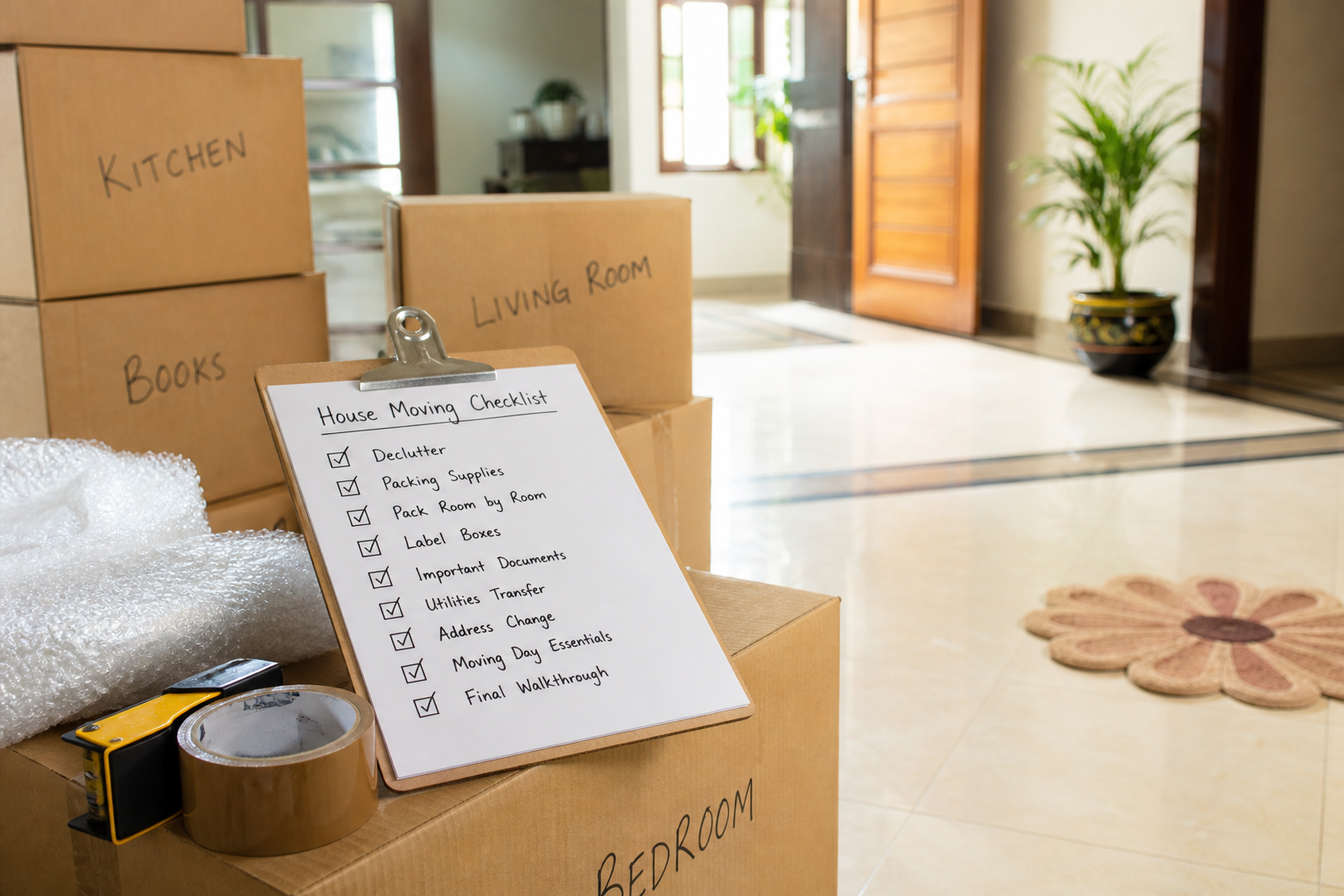
Nothing forgotten. Nothing broken. Nothing left to chance.
By Best International Movers & Logistics · Updated: July 28, 2026
Most moving stress doesn't come from the move itself — it comes from everything nobody planned for. The utility bill nobody transferred. The passport that got packed in an unlabeled box. The kids' school records left in a drawer. The fridge that wasn't defrosted in time. None of these are moving-day disasters on their own, but stacked together, they turn a manageable relocation into a chaotic one.
A checklist fixes that. Not a vague mental list of "things to do before we move," but a structured, week-by-week, room-by-room plan that tells you exactly what to do and when. That's what this guide is: the most complete packers and movers checklist available for anyone relocating in Pakistan — whether you're moving across town in Lahore, across the country from Karachi to Islamabad, or internationally to another continent.
This isn't generic advice. It's built from the real patterns we've seen across 5,000+ successful moves — the mistakes that repeat across nearly every relocation, and the small habits that separate a calm move from a chaotic one. Use it as your master reference from the day you decide to move until the day you've fully settled in.
Why Every Move Needs a Checklist
Moving involves dozens of small, disconnected tasks — packing, documentation, utility transfers, address updates, cleaning, logistics — happening across several weeks. Trying to hold all of that in your head guarantees something gets missed. A checklist externalizes the plan so your brain isn't the only thing keeping track.
It also does something less obvious: it turns a vague, overwhelming project ("we need to move") into a series of small, completable actions ("call the gas company," "label the kitchen boxes"). That shift alone is why checklists reduce moving-day stress more than almost any other single tool.
Benefits of Using a Professional Moving Checklist
- Nothing gets forgotten — critical steps like utility transfers and document safety aren't left to memory
- Reduces last-minute panic — tasks are spread across weeks instead of crammed into the final days
- Saves money — early planning avoids rush fees, last-minute packing material purchases, and duplicate purchases after items go missing
- Protects valuables — a structured packing checklist catches fragile and high-value items before they're boxed carelessly
- Makes hiring movers easier — a clear inventory and checklist helps packers and movers give you an accurate, fair quote
- Smooths the first week in your new home — utilities, address changes, and essentials are ready before you need them
Complete Moving Timeline
8 Weeks Before Moving
- Decide on your moving date and confirm it with your landlord/buyer
- Research and shortlist licensed moving companies
- Request in-person or video surveys for accurate quotes
- Start decluttering — sort belongings into keep, donate, sell, and discard
- Create a master inventory of large furniture and appliances
- If moving internationally, begin researching visa, customs, and import requirements
6 Weeks Before Moving
- Book your moving company and confirm the date in writing
- Start collecting packing supplies: boxes, bubble wrap, tape
- Begin using up frozen and perishable food
- Notify your children's school of the upcoming move (if applicable)
- Research your new neighborhood — schools, hospitals, grocery stores
- Begin packing out-of-season items and rarely used belongings
4 Weeks Before Moving
- Start packing non-essential rooms (guest room, storage areas, garage)
- Confirm insurance coverage for your move (cargo insurance)
- Notify utility companies of your move-out date
- Arrange for vehicle transport if needed
- Begin collecting important documents in one secure folder
- Book cleaning services for your old home (if required by lease)
3 Weeks Before Moving
- Continue room-by-room packing, labeling boxes clearly by room and contents
- Confirm details with your moving company: date, time, truck size, crew size
- Start using up pantry items to avoid wasted food
- Arrange childcare or pet care for moving day
- Transfer or cancel subscriptions tied to your old address
2 Weeks Before Moving
- Pack all non-essential kitchen items
- Confirm new home is ready for move-in (keys, access, parking permissions)
- Set up utility connections at your new address
- Update your address with banks, employers, and government offices
- Reconfirm moving company logistics one more time
1 Week Before Moving
- Pack a "first night" essentials box (see below)
- Defrost and clean the refrigerator
- Confirm final walkthrough time with landlord (if renting)
- Charge electronics and back up important data
- Pack a personal bag with documents, medication, and valuables — never load these onto the moving truck
Moving Day Checklist
- Confirm the moving crew has arrived with the correct truck size
- Do a final walkthrough of every room before the truck leaves
- Check closets, cabinets, and drawers for forgotten items
- Take photos of the empty property (useful for rental deposit disputes)
- Keep essential documents, cash, and valuables with you personally
- Confirm the delivery address and contact number with the moving crew
- Do a final utility check (turn off lights, lock windows, confirm gas is off)
- Hand over keys as required, and get a signed handover confirmation
First Day After Moving
- Locate and unpack your "first night" essentials box first
- Check all furniture and boxes against your inventory list
- Report any visible damage to your moving company immediately
- Set up beds so everyone has somewhere to sleep that night
- Test that utilities (electricity, water, gas) are functioning
First Week After Moving
- Unpack room by room, starting with the kitchen and bedrooms
- Register with new utility providers if not already done
- Update your address on your ID, driving license, and vehicle registration
- Locate nearby essentials: pharmacy, grocery store, hospital
- Dispose of packing materials responsibly (recycle boxes where possible)
- Do a final check that nothing was left behind or damaged in transit
Room-by-Room Packing Checklist
Bedroom Checklist
- Clothes (sorted by season, packed in wardrobe boxes or suitcases)
- Bedding, pillows, and mattress covers
- Bed frame (disassembled), headboard, mattress
- Wardrobe, dresser, nightstands (emptied and secured)
- Mirrors and wall decor (wrapped separately)
- Lamps and bedside electronics
Kitchen Checklist
- Dishes, glassware, and crockery (individually wrapped)
- Pots, pans, and cooking utensils
- Small appliances (blender, toaster, microwave)
- Pantry items (non-perishable, sealed)
- Refrigerator (defrosted and cleaned 24 hours prior)
- Cutlery and knives (wrapped securely, clearly labeled "sharp")
Living Room Checklist
- Sofas and seating (protected with furniture covers)
- Coffee tables and side tables
- TV and entertainment unit (original boxes if available)
- Rugs and carpets (rolled and wrapped)
- Curtains and blinds
- Decorative items and artwork (wrapped individually)
Bathroom Checklist
- Toiletries (sealed in leak-proof bags)
- Towels and bath mats
- Medicine cabinet contents (check expiry, dispose of old medication properly)
- Bathroom fixtures (if being taken)
- Cleaning supplies (separated from other packed items)
Office Checklist
- Computers, monitors, and peripherals (original boxes if possible)
- Important files and documents
- Office furniture (desk, chair, filing cabinets)
- Cables and chargers (labeled by device)
- Stationery and supplies
Garage Checklist
- Tools and equipment (organized in toolboxes)
- Bicycles and sports equipment
- Gardening tools
- Hazardous materials (paint, chemicals — dispose of separately, don't pack)
- Spare parts and hardware (labeled in small containers)
Garden Checklist
- Potted plants (check transport restrictions for intercity/international moves)
- Garden furniture
- Outdoor decor and lighting
- Garden tools and hoses
- Planters and pots (emptied of soil if possible)
Documents Checklist
| Document Type | Examples |
|---|---|
| Identity Documents | CNIC, passports, driving license |
| Property Documents | Lease agreement, ownership papers, utility agreements |
| Financial Documents | Bank statements, checkbooks, insurance policies |
| Medical Records | Prescriptions, vaccination records, medical history |
| Education Records | School/university certificates, transcripts |
| Employment Documents | Contracts, pay slips, employment letters |
Electronics Checklist
- Back up all data before disconnecting devices
- Photograph cable setups before disconnecting (makes reassembly easier)
- Pack in original boxes where available, or use anti-static bubble wrap
- Remove batteries from remote controls and small electronics
- Label all cables and chargers by device
Furniture Checklist
- Disassemble large furniture where possible (beds, wardrobes, tables)
- Keep screws and small hardware in labeled bags taped to the furniture piece
- Use furniture blankets or moving pads for protection
- Measure doorways at both old and new locations to confirm furniture will fit
- Note fragile furniture (glass tops, antiques) for extra padding or wooden crating
For high-value or fragile furniture, consider cargo packaging and wooden crating services.
Fragile Items Checklist
- Glassware and crockery (individually wrapped in bubble wrap or packing paper)
- Mirrors and picture frames (wrapped and marked "fragile")
- Artwork and antiques (custom crating recommended for high-value pieces)
- Electronics and screens (anti-static wrap, original boxes preferred)
- Chandeliers and light fixtures (disassembled and padded)
See also our fragile items packing guide.
Appliance Checklist
- Refrigerator (defrosted, cleaned, and dried at least 24 hours before moving)
- Washing machine (drum secured, hoses drained and packed separately)
- Microwave and oven (cleaned, cords secured)
- Air conditioners (professionally dismantled if window/split unit)
- Water dispenser (emptied and dried)
Vehicle Checklist
- Confirm vehicle transport arrangements in advance (for intercity/international moves)
- Check fuel level (most carriers require a near-empty tank)
- Remove personal items from the vehicle
- Document existing damage with photos before transport
- Confirm insurance coverage for vehicle transit
Kids Moving Checklist
- Talk to children early about the move to reduce anxiety
- Pack a familiar comfort item (toy, blanket) in the "first night" box
- Transfer school records in advance
- Keep a few familiar toys and books easily accessible during the move
- Involve older kids in packing their own room to give them a sense of control
Pet Moving Checklist
- Update pet ID tags and microchip details with the new address
- Keep food, water, leash, and medication easily accessible (not packed away)
- Arrange pet-safe transport, especially for long-distance or international moves
- Check destination country/city pet import requirements for international relocations
- Keep pets in a quiet, secure room while movers are loading the truck
For overseas pet moves, read our pet relocation from Pakistan guide.
International Moving Checklist
- Research destination country customs and import regulations
- Confirm required documentation: passport, visa, shipping inventory, customs forms
- Choose a mover experienced in international shipping with proper customs clearance handling
- Decide between air freight (faster, costlier) and sea freight (slower, more economical)
- Confirm cargo insurance coverage for the full shipment value
- Plan for potential storage needs if destination move-in is delayed
- Track shipment status through your mover's GPS tracking system
Work with experienced international packers and movers and compare modes in our air freight vs sea freight guide.
Office Relocation Checklist
- Notify employees, clients, and vendors of the new address in advance
- Back up all servers and IT infrastructure before disconnecting
- Label equipment by department/workstation for faster reassembly
- Schedule the move during off-hours or weekends to minimize downtime
- Coordinate with a dedicated office relocation team for servers and sensitive equipment
- Update business address on official documents, signage, and online listings
For corporate moves, see our office relocation checklist and office relocation in Karachi, or book house shifting services for residential moves.
House Shifting Checklist
- Confirm your mover is licensed and offers cargo insurance
- Get a written, itemized quote before moving day
- Prepare an inventory list of all major items
- Label every box by room and contents
- Confirm truck size matches your total household volume
- Keep essential documents and valuables separate from the general shipment
Packing Supplies Checklist
| Supply | Purpose |
|---|---|
| Corrugated Boxes | General packing (various sizes) |
| Bubble Wrap | Cushioning for fragile and glass items |
| Stretch Wrap | Securing furniture and upholstery |
| Packing Tape | Sealing boxes securely |
| Furniture Blankets | Protecting large furniture surfaces |
| Wooden Crates | High-value or fragile item protection |
| Labels/Markers | Room and content labeling |
| Zip-Lock Bags | Small hardware, screws, cables |
Moving Essentials Checklist ("First Night" Box)
- Toiletries and towels
- Change of clothes for each family member
- Phone chargers
- Medication
- Basic kitchen items (kettle, mugs, tea/coffee, snacks)
- Important documents folder
- Cash and cards
- Bedsheets and pillows
Utility Transfer Checklist
| Utility | Action Needed |
|---|---|
| Electricity | Schedule disconnection at old home, connection at new home |
| Gas | Notify provider of move-out/move-in dates |
| Water | Transfer or set up new account |
| Internet/Cable | Schedule installation at new address in advance |
| Landline/Mobile Billing Address | Update billing address |
Address Change Checklist
- Bank accounts and credit cards
- Employer/HR records
- CNIC and driving license
- Vehicle registration
- Insurance providers (health, vehicle, home)
- Online subscriptions and delivery services
- Schools/universities (for children)
Cleaning Checklist
- Deep clean kitchen (inside cabinets, oven, fridge)
- Clean bathrooms thoroughly
- Vacuum and mop all floors
- Wipe down windows and mirrors
- Clean inside closets and storage areas
- Dispose of trash and unwanted items properly
Final Walkthrough Checklist
- Check every room, closet, and cabinet for forgotten items
- Confirm all utilities are switched off (unless required by new occupant)
- Check attic, basement, and garage for overlooked belongings
- Take photos of the empty property for your records
- Return keys and confirm handover with landlord/new owner
Mistakes People Make Before Moving
- Packing without a plan — random, unlabeled boxes make unpacking chaotic and increase the risk of lost items
- Underestimating time needed — starting the checklist only 1-2 weeks out leads to rushed, careless packing
- Not decluttering first — moving items you don't need wastes money on labor, materials, and truck space
- Skipping insurance — assuming nothing will break, then having no recourse when something does
- Forgetting utility transfers — arriving at a new home with no electricity or internet set up
- Packing important documents in random boxes — passports and certificates get lost in the shuffle
- Choosing the cheapest mover without checking credentials — leading to damaged goods and no accountability
Avoid more pitfalls with our guide to mistakes during house shifting.
How Professional Packers and Movers Simplify the Process
A structured checklist gets you 80% of the way to a smooth move — but professional movers and packers handle the physical execution that a checklist alone can't. A licensed, experienced moving company brings a certified packing team trained to wrap and box fragile items correctly, professional-grade packing materials, and the manpower to move heavy furniture safely without damaging your property or theirs.
With 15+ years of experience and 5,000+ successful moves across Pakistan, Best International Movers & Logistics combines door-to-door service, cargo insurance, GPS tracking, and 24/7 customer support with a process built around exactly the kind of checklist you're reading now — so nothing falls through the cracks between your old home and your new one. As international moving specialists, the same discipline applies whether you're relocating within Islamabad or shipping a full household overseas.
Still deciding between DIY and hiring help? Read professional packers and movers vs DIY moving. For pricing, see packers and movers cost in Pakistan.
Expert Moving Tips
- Label boxes on the side, not the top — labels on top become invisible once boxes are stacked
- Pack a box of "day one" kitchen items separately from the rest of your kitchen packing
- Take photos of electronics setups before disconnecting cables
- Use clothes and towels as extra padding for fragile items instead of buying more bubble wrap
- Color-code boxes by room using colored tape or stickers for faster unloading
- Keep a printed inventory list with you on moving day — don't rely only on a digital copy
Customer Success Story
A family relocating from Rawalpindi to Islamabad used a full 8-week checklist timeline before their move, starting with decluttering and gradually working through room-by-room packing. By the time moving day arrived, every box was labeled, documents were secured in a personal folder, and utilities at the new home were already connected. The move itself — handled by a professional crew with cargo insurance and GPS-tracked transport — was completed in a single day with zero damaged items and no last-minute scrambling. The family credited the early start and room-by-room structure as the biggest factor in making the move feel "boring" instead of stressful — which, for a house move, is exactly the goal.
Professional Advice
Conclusion
A move doesn't become smooth by accident — it becomes smooth because of a plan followed consistently over several weeks. This checklist covers every stage, from the moment you decide to relocate through your first week settling into your new home, across every room, document type, and special category from pets to international shipments. Whether you're moving locally within Lahore or relocating internationally, working through this list step by step removes the guesswork and the last-minute panic that usually makes moving stressful.
Ready to Make Your Move Effortless?
Best International Movers & Logistics has guided 5,000+ households and businesses through smooth, damage-free relocations across Pakistan and internationally. As a licensed company with certified movers, cargo insurance, GPS tracking, and 24/7 support, we handle the physical move so you can focus on the checklist — not the chaos.
Get your free moving consultation today and let our team build your relocation plan around this exact checklist.
Get Free QuoteFrequently Asked Questions
When should I start preparing my moving checklist?
You should start preparing your moving checklist at least 8 weeks before your move date, especially for larger households or intercity/international relocations. Starting early gives you time to declutter, research and book a reliable moving company, and gradually pack non-essential rooms without rushing. The final 1-2 weeks should be reserved for essential items, document organization, and moving-day logistics rather than bulk packing. Waiting until the last minute typically leads to disorganized packing, missed utility transfers, and unnecessary stress. If you're moving within the same city with a smaller household, a 4-week timeline can work, but starting earlier always reduces last-minute pressure and gives you room to handle unexpected delays without panicking.
What should be in my "first night" essentials box?
Your first night essentials box should include toiletries, a change of clothes for each family member, phone chargers, any necessary medication, basic kitchen items like a kettle and mugs, bedsheets and pillows, and your important documents folder. This box should travel with you personally rather than going on the moving truck, since you'll need immediate access to it before the rest of your belongings are unpacked. The goal is to have everything necessary for a comfortable first night and morning without having to search through dozens of unlabeled boxes. Many people also include snacks, cash, and basic cleaning supplies in this box, since new homes often need a quick wipe-down before you fully settle in.
How do I pack fragile items safely for moving?
Fragile items should be individually wrapped in bubble wrap or packing paper, with extra cushioning at the top and bottom of each box. Use smaller boxes for heavier fragile items like glassware to avoid overloading, and always label these boxes clearly as "fragile" on multiple sides. Dishes should be packed vertically, like records, rather than stacked flat, which distributes pressure more evenly and reduces breakage risk. For high-value items like antiques, artwork, or mirrors, custom wooden crating offers significantly more protection than standard packing materials, especially for intercity or international moves. Professional movers with certified packing teams are trained specifically in fragile item handling, which is one of the biggest advantages of hiring experienced packers and movers over DIY packing.
How far in advance should I book a moving company?
You should book your moving company at least 6 weeks before your moving date, especially during peak moving seasons or if your move involves a large household, intercity transport, or international shipping. Booking early ensures you get your preferred date and gives the moving company time to properly plan crew size, truck requirements, and any specialized handling your items need. Last-minute bookings often mean limited availability, higher rush pricing, and less time for the company to conduct a proper in-person or video survey of your belongings. For international moves, booking even earlier — 8 weeks or more — is recommended due to the additional customs, documentation, and freight scheduling involved.
What documents should I keep with me instead of packing?
Keep identity documents (CNIC, passports, driving license), property documents (lease agreements, ownership papers), financial documents (bank statements, insurance policies), medical records, and any documents needed for the immediate transition (school records, employment letters) with you personally rather than in the moving truck. These documents should be organized in a single, clearly labeled folder that travels in your personal bag or vehicle, not mixed in with general household boxes. This prevents the common and stressful situation of critical paperwork getting buried in an unlabeled box or, worse, misplaced during transit. For international moves, also keep visa and customs documentation easily accessible, since you may need to present these during the shipping process.
How do I choose the right size moving truck?
Truck size should be matched to your total household volume, not just your house size on paper. A 1-2 bedroom apartment typically needs a small to mid-size truck, while a 3-5 bedroom house or villa requires a larger truck or container vehicle. Professional movers typically determine truck size based on an in-person or video survey of your belongings rather than a rough estimate over the phone, which helps avoid the common problem of needing multiple trips due to an undersized truck. If you have unusually bulky items like pianos, safes, or large appliances, mention these specifically when booking, since they can significantly affect the truck size and crew needed for a safe, single-trip move.
What's the biggest mistake people make when packing for a move?
The most common and costly mistake is packing without labeling boxes clearly by room and contents. Unlabeled boxes turn unpacking into a guessing game, waste hours of time, and increase the risk of important items — especially documents and fragile items — getting lost or damaged in the shuffle. A close second mistake is starting the packing process too late, which leads to rushed, careless packing in the final days before the move. Packing items you no longer need is another frequent error, since it increases moving costs unnecessarily. The fix for all three is the same: start early, declutter first, and label every box clearly on the side (not the top) with its room and general contents.
Do I need cargo insurance for a local move?
While cargo insurance is often considered essential for intercity and international moves due to longer transit times and increased handling, it's also worth having for local moves, especially if you own valuable furniture, electronics, or fragile items. Even short-distance moves carry a real risk of damage during loading, transport, or unloading, and without insurance, you bear the full replacement cost yourself if something breaks. Licensed moving companies typically offer cargo insurance as part of their service or as an affordable add-on. Given how relatively small the cost of insurance is compared to the potential cost of replacing damaged furniture or electronics, most professional movers recommend it regardless of how far you're moving.
How do I prepare my kids for a house move?
Preparing kids for a move starts with talking to them early and honestly about what's happening, ideally as soon as the move is confirmed rather than waiting until the last minute. Involve older children in packing their own rooms, which gives them a sense of control and reduces anxiety about the change. Keep a comfort item — a favorite toy, blanket, or book — easily accessible throughout the move, especially in your first night essentials box. Transfer school records in advance so there's no gap in their education, and if possible, visit the new neighborhood together before moving day so it feels less unfamiliar. Maintaining familiar routines as much as possible during the transition also helps reduce stress for younger children.
What should I do with pets on moving day?
On moving day, keep pets in a quiet, secure room away from the main activity, since open doors and unfamiliar movers can cause pets to become anxious or attempt to escape. Keep their food, water, leash, and any medication easily accessible rather than packed away in the moving truck. For longer-distance or international moves, research pet-safe transport options and destination import requirements well in advance, since some countries and even some domestic routes have specific documentation or quarantine rules. Update your pet's ID tag and microchip information with your new address as soon as possible after the move, and try to maintain their regular feeding and walking schedule during the transition to minimize stress.
How much does professional packing help compared to DIY?
Professional packing significantly reduces the risk of damage during transit, since certified packing teams are trained in techniques most people don't use in DIY moves — proper cushioning, weight distribution in boxes, and correct handling of fragile and high-value items. It also saves substantial time, since a trained crew can pack an entire household in a fraction of the time it would take a family working alone, especially while juggling work and other move-related tasks. While DIY packing can save money upfront, the risk of damage without professional-grade materials and techniques often offsets those savings, especially for fragile items, electronics, and furniture. Many households choose a hybrid approach — professional packing for fragile and valuable items, DIY for simple, low-risk belongings.
What should I check during the final walkthrough before leaving?
During your final walkthrough, check every room, closet, and cabinet for forgotten items, including easily overlooked spaces like the attic, basement, garage, and under stairs storage. Confirm all utilities are switched off as required (unless the new occupant needs them left on), and check that windows and doors are properly locked. Take photos of the empty property for your own records, which can be useful if there's ever a dispute over the property's condition, especially for rental deposits. Finally, confirm the key handover process with your landlord or the new owner, and make sure you have written confirmation that the handover is complete before you fully leave the property.
How do I safely move large appliances like refrigerators and washing machines?
Refrigerators should be defrosted and thoroughly cleaned and dried at least 24 hours before moving to prevent water damage and odor buildup during transit. Washing machines need their drum secured (many models have a transit bolt for this purpose) and hoses drained and packed separately to prevent water leakage. Air conditioners, especially split or window units, should be professionally dismantled by a technician rather than moved as-is, since improper handling can damage the refrigerant system. For all large appliances, it's best to let your professional moving crew handle the actual lifting and loading, since these items are heavy, awkward, and can cause injury or property damage if handled incorrectly by inexperienced movers.
What's different about an international moving checklist?
An international moving checklist requires significantly more advance planning than a local move, starting with researching your destination country's customs and import regulations, which vary widely and can affect what you're allowed to bring. You'll need additional documentation, including passports, visas, a detailed shipping inventory, and customs forms, all of which should be organized well before your shipment date. You'll also need to decide between air freight (faster but more expensive) and sea freight (slower but more economical), and confirm cargo insurance that covers the full value of your shipment for the longer transit time involved. Working with movers who are experienced international moving specialists and manage customs clearance directly significantly reduces the risk of delays or unexpected fees at the destination.
How can a professional moving company make my move less stressful overall?
A professional moving company reduces stress by handling the physically demanding and technically tricky parts of a move — heavy lifting, furniture disassembly, professional-grade packing, and safe transport — while you focus on managing the administrative side, like utility transfers and address changes. Licensed movers with cargo insurance, GPS tracking, and 24/7 customer support also give you accountability and visibility that DIY moving simply can't offer: if something goes wrong, there's a real process for resolving it, and you can track your shipment's progress rather than waiting anxiously for an update. Combined with a structured checklist like this one, working with an experienced, certified moving team turns what's often one of life's most stressful events into a well-organized, predictable process.
People Also Ask
- What is the best checklist for moving house?
- How many weeks before moving should I start packing?
- What should I pack first when moving house?
- What items should never be packed on the moving truck?
- How do I organize a move step by step?
- What is a moving day checklist?
- How do I pack a kitchen for moving?
- What supplies do I need for packing a house?
- How do I transfer utilities when moving house?
- What documents do I need for house shifting?
- How do professional movers pack fragile items?
- What is the best way to label moving boxes?
- How do I prepare my house for a final walkthrough?
- What should I do the week before moving?
- How do I move with kids without stress?
- How do I move with pets safely?
- What is included in an office relocation checklist?
- What is needed for an international moving checklist?
- How much notice do movers need before a house shift?
- What mistakes should I avoid when moving house?
Related Guides
- Packers and Movers Cost in Pakistan: The Complete Pricing Guide
- How to Choose the Best Packers and Movers in Pakistan
- Professional Packers vs DIY Moving
- Common Moving Mistakes to Avoid When Shifting House
- Best Packing Tips for House Shifting
- Moving Checklist Pakistan
- Moving Insurance Guide
- Packers and Movers — Pillar Service Page
Need a shipping plan?
Get a free quotes from Best International Movers & Logistics — 0300-9130211 · info@bestintlmovers.com
Get Free Quote