Complete Guide to Custom Crating Services (2026)
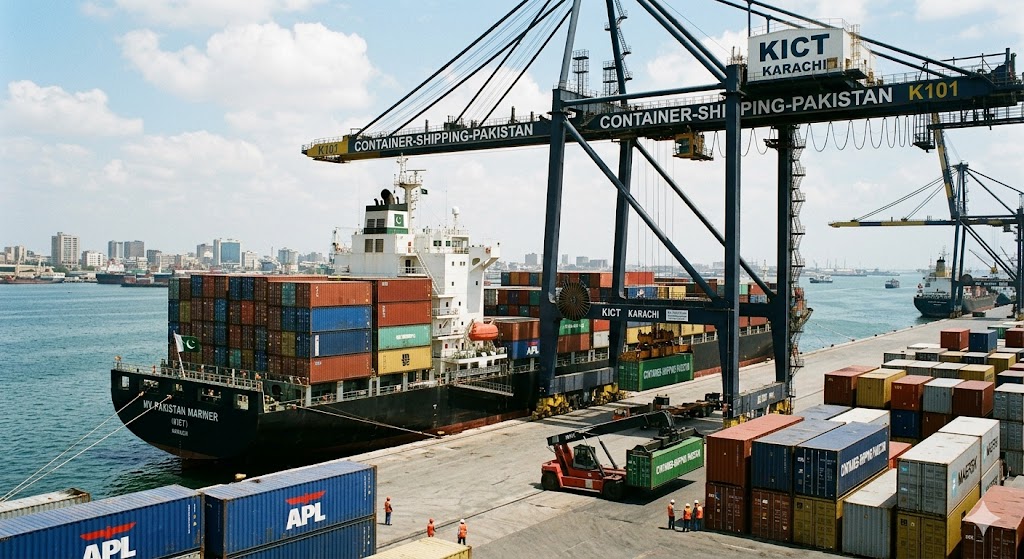
Everything Pakistani Businesses Need to Know About Custom Crates, ISPM-15 Compliance, Export Packing & Cargo Protection
By Best International Movers & Logistics · 15+ Years Experience · 5,000+ Successful Shipments · 100+ Countries Served
Key Takeaways
- Custom crating services engineer protective packaging from scratch — every dimension, load point, and cushioning layer is designed for your specific cargo
- Professional custom crating reduces international shipping damage claims by 55–70% compared to generic cardboard or off-the-shelf packaging
- ISPM-15 heat-treated custom crates are mandatory for export to USA, EU, UK, Australia, China, and 80+ other countries — non-compliance costs PKR 500,000+ in penalties
- Custom crating handles loads from 50 kg precision instruments to 50,000 kg industrial machinery — no standard packaging matches this range
- The PKR 200,000 rule: if your cargo replacement value exceeds PKR 200,000, custom crating is almost always the correct financial decision
- Pakistan's export hubs — Karachi, Lahore, Sialkot, Faisalabad, Islamabad — all depend on professional crating for machinery, surgical goods, textiles, and marble exports
- Best International Movers & Logistics provides end-to-end custom crating with free site surveys, engineering drawings, ISPM-15 certification, and integration with freight forwarding
- Custom crating ROI typically pays for itself within a single shipment when damage avoidance, insurance savings, and buyer retention are accounted for
Table of Contents
- 1. Introduction — Why Custom Crating Matters
- 2. What Are Custom Crating Services?
- 3. Why Businesses Need Custom Crating
- 4. When Should You Use Custom Crating?
- 5. Industries That Rely on Custom Crating in Pakistan
- 6. Types of Custom Crates
- 7. Engineering & Design Process
- 8. Materials Used in Custom Crating
- 9. ISPM-15 Compliance for Export Crates
- 10. Benefits of Custom Crating Services
- 11. Custom Crating vs Other Packaging Options
- 12. Step-by-Step Custom Crating Process
- 13. Common Custom Crating Mistakes to Avoid
- 14. Expert Tips from Pakistan's Crating Specialists
- 15. Case Study — Marble Export from Islamabad to Italy
- 16. Customer Success Story — Sialkot Surgical Instruments
- 17. Custom Crating Checklists
- 18. Custom Crating Cost Guide (2026)
- 19. Related Services & Resources
- 20. Conclusion — Protect Your Cargo Before It Ships
1. Introduction — Why Custom Crating Matters
Every year, Pakistani exporters lose billions of rupees to cargo damage that was entirely preventable. A CNC machine arrives in Germany with a bent spindle. Marble slabs reach Milan with corner chips. Surgical instruments reach a London hospital with rust spots from sea air. The root cause is almost never the product itself — it is packaging that was never designed for the brutal realities of international freight: 30-day ocean voyages, container stacking under tonnes of pressure, port crane handling, humidity extremes, and continuous vibration from ship engines.
Custom crating services solve this problem at the source. Rather than forcing your cargo into a standard box or generic pallet, a professional crating team engineers a protective structure around your specific item — calculating load distribution, designing internal blocking, selecting moisture barriers, and certifying the crate for ISPM-15 export compliance. When integrated with our logistics services Pakistan network, custom crating becomes the foundation of a complete export protection strategy rather than an afterthought added the day before pickup.
The stakes are higher than most businesses realise. A single damaged shipment can cost far more than the crate itself — replacement production, emergency air freight, buyer penalty clauses, lost contracts, and insurance disputes that drag on for months. For cargo travelling via sea freight, the physical environment is categorically harsher than domestic transport. Custom crating is not a packaging upgrade; it is structural cargo protection engineered for a specific journey.
With 15+ years of export packing experience, 5,000+ successful international shipments to 100+ countries, and crating facilities serving Karachi, Lahore, Islamabad, Rawalpindi, Faisalabad, and Sialkot, Best International Movers & Logistics has crated everything from delicate museum artefacts to 40-tonne industrial generators. This complete 2026 guide covers everything you need to know about custom crating services — what they are, when you need them, how they work, what they cost, and how to choose the right provider. For a deeper look at wooden crate benefits specifically, see our related guide on benefits of custom wooden crates for international shipping.
2. What Are Custom Crating Services?
Custom crating services are a professional export packing discipline where a crating engineer assesses your cargo, designs a protective crate structure to exact specifications, manufactures the crate from certified materials, places and secures your cargo inside with engineered blocking and cushioning, applies ISPM-15 treatment and marking, and delivers a documented, inspection-ready package ready for international freight. The service covers the complete lifecycle from site survey to crate delivery — not just wood and nails.
A custom crate differs fundamentally from generic packaging. Generic cardboard boxes come in standard sizes and offer no structural load capacity. Generic wooden pallets support weight but provide zero side protection. Off-the-shelf wooden crates from stock may have wrong dimensions, expired ISPM-15 stamps, or structural weaknesses invisible to the untrained eye. Custom crating builds the protective envelope around your cargo — the crate is the cargo's body armour for its international journey.
Custom Crate vs Generic Cardboard or Pallet Packaging
| Factor | Custom Engineered Crate | Generic Cardboard / Standard Pallet |
|---|---|---|
| Design approach | Engineered from scratch for specific cargo | One-size-fits-all standard dimensions |
| Load capacity | 50 kg to 50,000+ kg — calculated structurally | Cardboard: 50–100 kg max; pallets: load only, no side protection |
| Internal fit | Zero-clearance blocking — cargo immobilised on all 6 axes | Void fill compresses over 30 days — cargo becomes mobile |
| Moisture protection | VCI film, desiccant, sealed joints — engineered barrier | Cardboard absorbs moisture and collapses; pallets offer none |
| ISPM-15 compliance | Certified heat treatment with valid IPPC marking | Pallets may comply; cardboard not applicable; recycled crates risky |
| Sea freight suitability | Designed for 30–50 day voyages with stacking loads | Cardboard degrades within days in container humidity |
| Damage rate (heavy/fragile cargo) | 0.2–0.8% with professional engineering | 8–15% for cardboard; 3–5% for generic crates |
| Documentation | Engineering drawing, packing certificate, treatment certificate | Typically none — weak insurance claim position |
| Reusability | 5–15 shipments with simple maintenance | Single use (cardboard); pallets reusable but unprotected |
| Insurance impact | 15–25% premium reduction for professionally crated cargo | May increase premium or weaken claim acceptance |
3. Why Businesses Need Custom Crating
The business case for custom crating is financial first and operational second. Every Pakistani exporter who has received a damage claim knows the hidden costs: emergency replacement production, expedited air freight to meet buyer deadlines, contract penalty clauses, reputational damage with international buyers, and marine insurance disputes that can take months to resolve. Custom crating eliminates the vast majority of these costs before the cargo ever leaves your facility.
| Damage Scenario | Typical Cost to Pakistani Exporter | Custom Crating Prevention Cost |
|---|---|---|
| Machinery frame bent in transit | PKR 800,000–3,000,000 repair or remanufacture | PKR 45,000–120,000 engineered crate |
| Electronics moisture damage (sea freight) | PKR 500,000–2,500,000 total loss | PKR 25,000–60,000 VCI-lined crate |
| Marble slab corner chip (1 slab) | PKR 150,000–400,000 per slab write-off | PKR 35,000–80,000 A-frame crate set |
| ISPM-15 non-compliance hold at EU port | PKR 500,000–1,500,000 demurrage + re-treatment | PKR 8,000–15,000 HT treatment included in crate cost |
| Surgical instrument corrosion claim | PKR 200,000–800,000 batch rejection | PKR 18,000–40,000 foam-lined VCI crate |
| Buyer contract cancellation (repeat damage) | PKR 5,000,000+ annual contract value lost | PKR 50,000–200,000 per shipment protection |
| Insurance claim dispute (inadequate packing) | Full claim rejected — 100% loss borne by exporter | Packing certificate proves professional standard |
Five Business Scenarios Where Custom Crating Is Essential
- Heavy machinery export — textile looms, compressors, generators, and CNC equipment where a single bent frame costs millions to repair and weeks of buyer downtime
- High-value fragile goods — marble, glass, ceramics, artworks, and museum pieces where damage is irreversible and replacement is impossible
- Regulated medical exports — Sialkot surgical instruments and pharmaceutical equipment where packaging integrity is part of FDA/CE compliance documentation
- Repeat contract shipments — exporters with annual supply agreements where one damage claim jeopardises a multi-year buyer relationship worth crores
- Project cargo and oil & gas equipment — critical-path imports where damaged equipment shuts down production fields and triggers penalty clauses measured in millions
Best International Movers & Logistics provides professional custom crating services across Pakistan. Free site surveys, structural engineering, ISPM-15 certification, and integration with sea and air freight forwarding. Facilities in Karachi, Lahore, Islamabad, and Faisalabad.
Explore our full service offering: custom crating services
4. When Should You Use Custom Crating?
Not every shipment requires custom crating — but far more shipments need it than most Pakistani exporters assume. Use this decision framework to determine whether your cargo warrants professional engineered crating or whether standard export packing is sufficient.
| Decision Factor | Use Custom Crating When… |
|---|---|
| Cargo value | Replacement cost exceeds PKR 200,000 — crate cost is a fraction of potential loss |
| Cargo weight | Individual item exceeds 100 kg — cardboard and standard boxes cannot structurally support the load |
| Fragility | Item has precision components, glass, ceramic, calibrated instruments, or surface-finish requirements |
| Shape | Irregular dimensions, protrusions, or non-rectangular geometry that cannot fit standard packaging |
| Shipping mode | Sea freight (30+ days), LCL consolidation, or multi-modal routes with multiple handling points |
| Destination | Export to USA, EU, UK, Australia, China, or any ISPM-15 regulated country using wooden packaging |
| Moisture sensitivity | Metal components, electronics, textiles, leather, or any cargo vulnerable to humidity or salt air corrosion |
| Insurance requirements | Marine insurer requires proof of professional packing for high-value cargo coverage |
| Buyer specifications | Purchase order or contract specifies engineered crating, ISPM-15 compliance, or packing certificate |
| Repeat damage history | Previous shipments using standard packaging resulted in damage claims or buyer complaints |
5. Industries That Rely on Custom Crating in Pakistan
| Industry | Hub Cities | Typical Items Crated | Primary Destinations |
|---|---|---|---|
| Surgical Instruments | Sialkot | Scalpels, forceps, orthopaedic sets, dental instruments | USA, UK, Germany, France, UAE |
| Sports Goods | Sialkot | Cricket bats, footballs, protective gear, gym equipment | UK, Australia, USA, South Africa |
| Textile Machinery | Faisalabad, Lahore | Spinning frames, looms, dyeing machines, finishing lines | Bangladesh, Turkey, Egypt, Indonesia |
| Marble & Granite | Islamabad, Karachi | Slabs, tiles, countertops, monuments | Italy, China, UAE, USA, UK |
| Engineering & Manufacturing | Karachi, Lahore | CNC machines, compressors, generators, fabricated steel | Middle East, Africa, Central Asia |
| Oil & Gas | Karachi, Islamabad | Wellhead assemblies, drilling tools, pipeline fittings | UAE, Saudi Arabia, Iraq, Kazakhstan |
| Automotive Parts | Karachi, Lahore | Engine blocks, transmissions, body panels, tyres | Afghanistan, Central Asia, Middle East |
| Electronics & IT | Islamabad, Karachi | Servers, industrial controllers, telecom equipment | UAE, Saudi Arabia, Africa |
| Pharmaceuticals | Karachi, Lahore | Production machinery, cold-chain equipment, lab instruments | Africa, Middle East, Southeast Asia |
| Furniture & Woodwork | Karachi, Lahore, Peshawar | Hand-carved furniture, office systems, antique pieces | UK, Canada, UAE, Australia |
| Agriculture Equipment | Lahore, Multan | Tractors, harvesters, irrigation systems, rice mills | Africa, Afghanistan, Central Asia |
| Defence & Aerospace | Islamabad, Karachi, Kamra | Avionics, radar components, ground support equipment | Allied nations (restricted routing) |
6. Types of Custom Crates
Professional custom crating is not one-size-fits-all. The crate type is selected based on cargo weight, fragility, moisture sensitivity, inspection requirements, and shipping mode. Best International Movers & Logistics engineers six primary crate types for Pakistani export cargo — each with distinct structural characteristics and application profiles.
Full Enclosed Crate
The full enclosed crate is the most comprehensive protection option — plywood or OSB sheathing on all six sides with a sealed, weatherproof construction. Used for fragile electronics, moisture-sensitive machinery, high-value goods, and any cargo requiring complete environmental isolation during sea freight transit.
- Complete 6-side protection with minimum 12mm plywood sheathing (18–25mm for heavy loads)
- Weatherproof joint sealing and optional VCI moisture barrier lining for corrosion-sensitive cargo
- Removable or hinged lid design for destination unpacking without damaging crate structure
- ISPM-15 stamp applied to all four vertical faces for customs inspection at any angle
Open / Skeleton Frame Crate
Open and skeleton frame crates provide structural load support and handling capability without full panel enclosure. Ideal for heavy machinery that is not moisture-sensitive, cargo requiring ventilation, or items where customs inspection must occur without crate dismantling.
- Structural timber frame with diagonal bracing — no panel sheathing on some or all sides
- Maximum load capacity with minimum tare weight — reduces freight cost for heavy cargo
- Allows visual inspection of cargo at ports without opening the crate
- Often combined with shrink-wrap or tarpaulin weather protection for partial moisture shielding
Export Skid / Base-Only Crate
Export skids are reinforced timber bases with integrated forklift pockets and optional side bracing — used when cargo has its own rigid structure (e.g., self-contained machinery cabinets) and needs a certified handling platform rather than full enclosure. Common for large industrial equipment exports.
- Engineered timber runners (75mm x 50mm to 100mm x 75mm) rated for static and dynamic forklift loading
- Integrated blocking and lashing points for container tie-down during sea freight
- ISPM-15 treated base timber with IPPC marking on all exposed wood surfaces
- Lower cost than full enclosure while providing certified handling and stacking capability
Shock-Isolating Crate
Shock-isolating crates incorporate engineered vibration dampening systems — rubber mounts, spring suspensions, or foam isolation layers — between the cargo and the crate frame. Essential for precision instruments, calibrated equipment, CNC machines, and any cargo where vibration during a 30-day sea voyage can cause internal damage invisible on arrival.
- Rubber or neoprene anti-vibration mounts decouple cargo from crate frame at calculated frequency
- Closed-cell foam blocking fills all voids — eliminating multi-axis movement during transit
- Optional shock-watch or tip-and-tell indicators mounted on crate exterior for damage evidence
- Engineering calculations determine mount specification based on cargo mass and resonant frequency
ESD (Electrostatic Discharge) Crate
ESD crates protect sensitive electronic components from electrostatic discharge damage during packing, handling, and transit. Used for semiconductor equipment, circuit boards, medical electronics, and telecom infrastructure where a static discharge event can destroy components worth thousands of dollars.
- ESD-safe foam inserts and conductive or dissipative interior lining materials
- Grounding straps connecting cargo to crate frame for static charge dissipation
- Humidity-controlled interior with desiccant for moisture-sensitive electronic assemblies
- Documented ESD handling procedures and packing certificate for buyer quality audits
A-Frame Crate
A-frame crates hold flat, heavy, or brittle items vertically at a calculated angle — the standard solution for marble slabs, glass panels, stone tiles, and large flat industrial components. The A-frame distributes weight through the base and supports the item at two contact points without edge pressure that causes chipping.
- Angled timber supports hold slabs at 75–85° with rubber or felt padding at contact points
- Base skid engineered for the combined weight of multiple slabs in a single frame
- Vertical restraint straps or timber stops prevent forward/backward movement during transit
- Individual slab separation with foam or rubber spacers prevents surface-to-surface contact damage
7. Engineering & Design Process
Professional custom crating is an engineering discipline, not a carpentry task. Every crate produced by Best International Movers & Logistics follows a documented 11-stage design and manufacturing process that ensures structural integrity, regulatory compliance, and cargo protection appropriate to the specific shipment.
| Stage | Activity & Deliverable |
|---|---|
| 1. Client Enquiry & Scope | Cargo description, destination, shipping mode, timeline, and budget parameters captured |
| 2. Site Survey | On-site measurement of cargo dimensions, weight verification, fragility assessment, and access evaluation |
| 3. Hazard Analysis | Route-specific hazards identified — moisture, vibration, stacking load, handling frequency, temperature range |
| 4. Structural Design | Timber species, frame dimensions, panel thickness, base skid specification, and load calculations completed |
| 5. Internal Layout Design | Blocking plan, cushioning specification, moisture barrier layout, and lifting point design documented |
| 6. Technical Drawing | As-built drawing with dimensions, materials list, ISPM-15 stamp placement — shared for client approval |
| 7. Material Procurement | Kiln-dried timber sourced, moisture content verified (<19%), plywood and hardware selected to specification |
| 8. ISPM-15 Treatment | Heat treatment to 56°C core for 30+ minutes in registered kiln — temperature log recorded for certification |
| 9. Fabrication & Assembly | Base, frame, blocking, sheathing, and lid constructed per approved drawing — cargo placed and secured |
| 10. Quality Inspection | Crate inspected against drawing, shake test performed, ISPM-15 stamps applied, exterior markings completed |
| 11. Documentation & Handover | Packing certificate, treatment certificate, photographs, and specification sheet delivered to client |
8. Materials Used in Custom Crating
The materials selected for a custom crate directly determine its load capacity, moisture resistance, and regulatory compliance. Best International Movers & Logistics uses only kiln-dried, ISPM-15 treatable timber and certified ancillary materials — never green wood, recycled crates, or non-structural fill materials.
Structural Timber
| Material | Application & Specification |
|---|---|
| Kiln-dried pine (Pinus) | Standard crating — 50mm x 50mm to 100mm x 100mm frame members, moisture content <19% |
| Hardwood (Shisham, Teak) | Heavy-load applications — 5,000 kg+ cargo, crane-lift rated designs |
| Marine-grade plywood (12–25mm) | Exterior sheathing — BS 1088 or equivalent, void-free construction |
| OSB (Oriented Strand Board) | Economy sheathing for non-moisture-critical enclosed crates — minimum 12mm thickness |
| Structural blocking timber | Custom-cut to cargo profile — immobilises load against all directional forces |
| Steel sub-frame (heavy lift) | Welded steel lifting lugs and base reinforcement for 10,000 kg+ crane-lift crates |
Interior Cushioning Materials
- Closed-cell polyethylene foam — custom-cut to cargo contours, does not compress or settle over 30-day voyages
- Anti-vibration rubber mounts — neoprene or EPDM pads rated for calculated load and frequency isolation
- Corrugated cardboard inserts — used only as secondary surface protection under foam, never as primary immobilisation
- Custom-profile timber blocking — cut to exact cargo geometry for zero-clearance restraint on all axes
- ESD-safe foam — conductive or dissipative foam for electronic component protection
Moisture Protection Materials
- VCI (Volatile Corrosion Inhibitor) film — creates a sealed corrosion-inhibiting atmosphere inside the crate
- Polythene moisture barrier (6–8 mil) — sealed lining preventing humidity ingress through crate joints
- Silica gel / calcium chloride desiccant packs — actively absorb humidity during transit, sized to container volume
- VCI-impregnated paper — wrapped directly on metal surfaces for sacrificial corrosion protection layer
- Desiccant indicator cards — colour-changing cards proving humidity remained within safe limits during transit
Fasteners & Hardware
- Ring-shank nails — resist withdrawal under vibration; standard for frame and sheathing assembly
- Lag bolts and carriage bolts — structural joints on heavy-load crates requiring disassembly at destination
- Steel strapping — external reinforcement for oversized or unusually shaped crate assemblies
- Corner protectors and edge guards — steel or plastic protectors on crate corners for stacking load distribution
- Tamper-evident seals — numbered security seals for high-value cargo requiring chain-of-custody documentation
9. ISPM-15 Compliance for Export Crates
ISPM-15 (International Standards for Phytosanitary Measures No. 15) is the global standard governing all wood packaging material used in international trade. Issued by the International Plant Protection Convention (IPPC), ISPM-15 requires that solid wood packaging — crates, pallets, dunnage, blocking — is treated to eliminate invasive pests and diseases before export. For any Pakistani exporter using wooden custom crates, ISPM-15 compliance is not optional — it is a legal requirement at destination.
Non-compliant wooden packaging is rejected at destination port, held in demurrage, fumigated at the exporter's expense (USD 500–2,000+), or destroyed outright. The financial and reputational cost of a non-compliant shipment routinely exceeds PKR 500,000 — far more than the cost of correct ISPM-15 treatment from the start.
Countries Requiring ISPM-15 Compliance
| Region | Countries | Enforcement Level | Non-Compliance Penalty |
|---|---|---|---|
| North America | USA, Canada, Mexico | Strict — CBP/USDA inspection at every entry port | Re-export, fumigation, or destruction — USD 500–2,000+ |
| European Union | All 27 EU member states + UK | Strict — border inspection on all wood packaging | Hold, re-treatment, or destruction at importer cost |
| Asia-Pacific | Australia, New Zealand, Japan, South Korea, China, India | Strict — biosecurity priority countries | Mandatory fumigation or incineration on arrival |
| Middle East | UAE, Saudi Arabia, Qatar, Kuwait, Oman | Moderate to strict — increasing enforcement | Port hold, re-treatment required before release |
| South America | Brazil, Argentina, Chile, Colombia | Strict — agricultural protection priority | Re-export or destruction — no in-country treatment option |
| Africa | South Africa, Nigeria, Kenya, Ghana | Moderate — enforcement increasing | Fumigation at port before customs clearance |
ISPM-15 Treatment Methods
| Treatment Code | Method & Pakistani Availability |
|---|---|
| HT — Heat Treatment | Core wood temperature 56°C for 30+ continuous minutes in registered kiln. Most common method in Pakistan. Best International Movers operates registered HT facilities in Karachi and Lahore. |
| DH — Dielectric Heating | Microwave/radio frequency heating to 60°C core. Fast treatment for large components. Limited availability in Pakistan. |
| MB — Methyl Bromide | Chemical fumigation. Being phased out globally — many countries no longer accept MB-treated wood. Not recommended for new crates. |
| SF — Sulfuryl Fluoride | Chemical fumigation replacement for MB. Available from certified fumigators in Karachi. Accepted in most but not all countries. |
ISPM-15 Marking Requirements
- IPPC wheat symbol — the official logo identifying ISPM-15 compliant wood packaging
- Two-letter country code: PK (Pakistan) — identifies country of treatment
- Unique producer/ treatment provider code — assigned by Pakistan NPPO to registered facilities
- Two-letter treatment code: HT, MB, DH, or SF — identifies the treatment method applied
- Stamp must appear on at least two opposite faces of the crate — visible without dismantling
- Best International Movers & Logistics is a registered ISPM-15 treatment provider — all export crates carry valid IPPC marking
10. Benefits of Custom Crating Services
| Benefit | Impact on Your Export Operation | Measurable Outcome |
|---|---|---|
| Damage prevention | Structural protection absorbs impact, vibration, and compression forces | 55–70% reduction in shipping damage claims |
| Custom fit immobilisation | Zero internal movement — cargo secured on all 6 axes | Eliminates #1 cause of in-transit damage (internal abrasion) |
| Moisture protection | VCI lining and desiccant prevent corrosion and mould | Near-zero corrosion claims on properly crated metal cargo |
| ISPM-15 compliance | Valid IPPC marking ensures smooth customs clearance | Zero compliance holds across 5,000+ shipments |
| Insurance premium reduction | Professional packing qualifies for lower marine cargo rates | 15–25% premium savings on high-value cargo |
| Buyer confidence | Professional packaging signals supplier quality and reliability | Improved buyer retention and contract renewal rates |
| Heavy load capability | Engineered crates handle 50 kg to 50,000+ kg | Enables export of machinery impossible to pack otherwise |
| Documentation & claims support | Packing certificate and photographs strengthen insurance position | Near-100% claim acceptance for professionally crated cargo |
| Reusability | Quality crates survive 5–15 shipments with simple maintenance | 60–80% packaging cost reduction on repeat routes |
| Container optimisation | Crates designed to maximise container fill efficiency | 10–20% freight cost reduction via optimal space utilisation |
11. Custom Crating vs Other Packaging Options
Choosing the right packaging medium is a structural and financial decision — not simply a cost comparison. The three tables below compare professionally engineered custom crating against the most common alternatives Pakistani exporters consider: standard off-the-shelf wooden crates, cardboard packaging, and plastic containers.
Custom Crating vs Standard Off-the-Shelf Wooden Crates
| Factor | Custom Engineered Crating | Standard Off-the-Shelf Crates | Winner |
|---|---|---|---|
| Dimensional fit | Built to exact cargo dimensions | Standard sizes — excess void space | 🏆 Custom Crating |
| Load engineering | Calculated for specific weight and dynamic loads | Generic rating — may be under-specified | 🏆 Custom Crating |
| ISPM-15 validity | Fresh treatment with current stamp | Recycled crates may have expired/invalid stamps | 🏆 Custom Crating |
| Internal blocking | Engineered blocking plan per cargo profile | Generic foam fill — compresses over time | 🏆 Custom Crating |
| Documentation | Engineering drawing + packing certificate | Typically none | 🏆 Custom Crating |
| Initial cost | Higher — engineering and custom build | Lower upfront purchase price | 🏆 Standard Crates (upfront only) |
| Damage rate | 0.2–0.8% | 3–5% | 🏆 Custom Crating |
| Structural integrity | Verified — new materials, inspected joints | Unknown — hidden defects in used crates | 🏆 Custom Crating |
Custom Crating vs Cardboard Packaging
| Factor | Custom Engineered Crating | Cardboard Boxes / Cartons | Winner |
|---|---|---|---|
| Max load capacity | 50,000 kg+ | 50–100 kg practical limit | 🏆 Custom Crating |
| Sea freight durability | 30–50 days — engineered for voyage conditions | Degrades within days in container humidity | 🏆 Custom Crating |
| Moisture resistance | Excellent with VCI/barrier lining | Absorbs moisture — collapses and moulds | 🏆 Custom Crating |
| Stacking strength | Engineered to spec — tonnes of stacking load | 300–1,000 kg crush strength maximum | 🏆 Custom Crating |
| Impact resistance | Timber frame absorbs and distributes G-forces | Fails at 0.5G — tears and crushes | 🏆 Custom Crating |
| Initial cost | Higher | Lower | 🏆 Cardboard (upfront) |
| Damage rate (heavy cargo) | 0.2–0.8% | 8–15% | 🏆 Custom Crating |
| Reusability | 5–15 shipments | Single use | 🏆 Custom Crating |
Custom Crating vs Plastic Packaging
| Factor | Custom Engineered Crating | Plastic Containers / Crates | Winner |
|---|---|---|---|
| Custom size capability | Any dimension, any load weight | Limited to standard mould sizes | 🏆 Custom Crating |
| Temperature range | -40°C to +80°C stable | Brittle below -10°C, softens above 50°C | 🏆 Custom Crating |
| Heavy load capacity | 50,000 kg+ engineered | Practical limit ~500 kg for large items | 🏆 Custom Crating |
| Repairability | Field repair with timber and nails | Requires specialist repair or replacement | 🏆 Custom Crating |
| Sustainability | Renewable, biodegradable timber | Petroleum-based, limited recyclability | 🏆 Custom Crating |
| Availability in Pakistan | Excellent — local timber and skills | Limited for large industrial sizes | 🏆 Custom Crating |
| ISPM-15 requirement | Required (treated timber) | Not required | 🏆 Plastic (compliance simplicity) |
| Impact absorption | Natural timber flex absorbs shock | Rigid — transmits impact to cargo | 🏆 Custom Crating |
12. Step-by-Step Custom Crating Process
Understanding the end-to-end custom crating process helps you plan export timelines, prepare your facility, and evaluate the quality of any crating provider. Here is the complete 10-step process used by Best International Movers & Logistics for every custom crating engagement — from first enquiry to crate ready for pickup.
| Step | Activity | Timeline & Your Action Required |
|---|---|---|
| 1. Enquiry & Quotation | Share cargo details, photos, dimensions, weight, destination, and shipping mode | Same day — provide accurate cargo information and desired timeline |
| 2. Free Site Survey | Crating engineer visits your facility to measure, weigh, and assess cargo | 1–2 days — ensure cargo is accessible and representative units available |
| 3. Engineering Design | Structural design, blocking plan, and material specification completed | 1–2 days — review and approve technical drawing when shared |
| 4. Quotation Confirmation | Final pricing based on approved design — no hidden costs | Same day — confirm order and agree packing date |
| 5. Material Preparation | Timber sourced, kiln-dried, and ISPM-15 heat treated in registered facility | 1–3 days — no client action required |
| 6. Crate Fabrication | Base, frame, and components cut and pre-assembled to drawing specification | 1–2 days — no client action required |
| 7. Cargo Packing | Cargo placed, blocked, cushioned, and enclosed — photographs taken at each stage | On packing day — cargo must be clean, dry, and accessible |
| 8. Quality Inspection | Shake test, dimension check, ISPM-15 stamp verification, exterior marking | Same day — optional client witness inspection welcome |
| 9. Documentation | Packing certificate, ISPM-15 treatment certificate, photographs, specification sheet | Same day — documents delivered digitally and in hard copy |
| 10. Freight Handover | Crated cargo transferred to freight forwarder or loaded into container | Coordinated with your freight management schedule |
13. Common Custom Crating Mistakes to Avoid
| Mistake | Why It Fails | Correct Approach |
|---|---|---|
| Using recycled export crates | Hidden structural defects, expired ISPM-15 stamps, wrong dimensions | Always build new crates to specification with fresh HT treatment |
| Underestimating cargo weight | Under-engineered crate fails under load — structural collapse in container | Weigh cargo on calibrated scale; provide accurate weight at design stage |
| Skipping ISPM-15 to save cost | Saves PKR 8,000–15,000; risks PKR 500,000+ in port penalties | Always include certified HT treatment — non-negotiable for wooden export crates |
| Using bubble wrap as primary immobilisation | Compresses and settles within 1–2 weeks of vibration — cargo becomes mobile | Use timber blocking cut to cargo profile; foam is secondary surface protection only |
| No pre-shipment photographs | Insurance claims rejected — cannot prove damage occurred in transit | Photograph cargo before placement, inside open crate, and sealed crate exterior |
| Crate too small to save material cost | Compromises structural integrity; may crush cargo during stacking | Build to engineering specification — not minimum material cost |
| Green (unseasoned) timber | Shrinks and warps in transit — joints loosen, panels bow, structure fails | Use kiln-dried timber only — moisture content verified below 19% |
| Missing exterior handling markings | Forklift operators and crane crews cannot protect cargo they do not understand | Mark weight, COG, handling instructions, and destination on all four sides |
| Choosing crating provider on price alone | Cheapest quote often means no engineering, no ISPM-15, no documentation | Evaluate engineering capability, ISPM-15 registration, and documentation quality |
| Crating as last-minute afterthought | Rushed crates lack proper design — errors compound under transit stress | Begin crating planning 5–10 days before cargo readiness date |
14. Expert Tips from Pakistan's Crating Specialists
Best International Movers & Logistics provides professional wooden crating services across Pakistan. Custom-engineered crates for any cargo, any weight, any destination. ISPM-15 heat treatment certified. Manufacturing facilities in Karachi, Lahore, and Islamabad. Door-to-door export packing and freight forwarding.
Explore our full service offering: wooden crating services pakistan
15. Case Study — Marble Export from Islamabad to Italy
Challenge: Marble slabs are among the most damage-prone export cargo — brittle edges, polished surfaces vulnerable to scratching, and significant weight per unit requiring careful vertical storage. Standard pallet strapping allows slab movement during ocean transit, and horizontal stacking causes stress fractures. The Italian buyer's quality standards required zero surface defects on delivery.
Our Solution: Our Islamabad crating team designed six A-frame crates holding four slabs each at 80° vertical angle. Each contact point was padded with 10mm felt strip. Slabs were separated by 5mm rubber spacers preventing surface contact. Crates were built on reinforced export skids rated for 200 kg each with forklift pockets for container loading. All timber was ISPM-15 heat treated with IPPC marking for EU customs clearance. Desiccant packs were installed to prevent moisture staining on polished surfaces during the 28-day sea voyage.
Result: All 24 slabs arrived in Milan in perfect condition — zero chips, zero scratches, zero moisture staining. The custom crating investment of PKR 168,000 (PKR 7,000 per slab) saved PKR 600,000 in avoided damage costs from the previous shipment alone — a 3.6x ROI on the first shipment. The buyer renewed the annual supply contract and specifically cited packaging quality in their supplier evaluation. The exporter now uses our A-frame crating system for every Italian shipment. For similar professional packing services, contact our Islamabad team.
16. Customer Success Story — Sialkot Surgical Instruments Exporter
“Before switching to Best International Movers & Logistics for custom crating, we were losing approximately 3–4% of our surgical instrument exports to shipping damage claims every year. Instruments arrived in Germany and the UK with surface scratches, rust spots from sea air exposure, and occasionally with delicate tips bent during transit. Our European buyers were questioning our quality standards — even though the damage was clearly from packaging failure, not manufacturing defects.
Their crating team visited our Sialkot factory, assessed our complete instrument range, and designed a modular custom crating system with VCI-treated foam inserts holding each instrument type individually — zero contact between instruments, zero movement in any direction. Each crate type is ISPM-15 certified for our EU and UK buyers, with packing certificates included in every shipment documentation package.
In the 18 months since switching to their custom crating services, our damage claim rate dropped from over 3% to 0.2%. Our primary EU buyer commended our packaging quality in writing during their last supplier audit. Our marine insurance premium decreased by 18%. We now use the professional crating photographs in our sales presentations — they demonstrate the care we put into every shipment before the product even reaches the buyer. The ROI is undeniable.”
— CEO, Sialkot Surgical Instruments Exporter (USD 2M+ annual exports)
17. Custom Crating Checklists
Use these three checklists to verify that your custom crating engagement — whether managed by Best International Movers & Logistics or any professional provider — meets the standards required for safe international shipping and strong insurance documentation.
Before Crating
- ☐ Cargo dimensions confirmed (L × W × H) — all protrusions, handles, and attachments measured
- ☐ Cargo weight verified on calibrated scale — not estimated from catalogue specifications
- ☐ Fragility assessment completed — vulnerable points identified and documented with photographs
- ☐ Destination country ISPM-15 requirement confirmed — treatment method (HT) selected and scheduled
- ☐ Moisture sensitivity assessed — VCI film and desiccant quantity determined
- ☐ Vibration sensitivity assessed — anti-vibration mount specification agreed if required
- ☐ Shipping mode confirmed — sea freight, air freight, or multi-modal route documented
- ☐ Container type confirmed — crate external dimensions optimised for 20ft/40ft/40ft HC fill
- ☐ Client approval of crate design drawing received before manufacturing begins
- ☐ Packing date coordinated with production schedule and freight forwarding pickup
During Crate Construction
- ☐ Timber moisture content tested and verified below 19% before assembly
- ☐ ISPM-15 heat treatment completed with temperature log recorded and archived
- ☐ Base skid assembled and load-tested before cargo placement
- ☐ Cargo condition photographed from multiple angles before placement in crate
- ☐ Internal blocking and cushioning installed per approved design specification
- ☐ VCI film and desiccant packages installed — indicator cards placed inside crate
- ☐ Cargo photographed inside open crate before lid closure — all blocking visible
- ☐ Lid secured with specified fasteners — weatherproof seal applied to all exterior joints
- ☐ ISPM-15 stamps applied to minimum two opposite vertical faces
- ☐ Exterior markings applied: gross weight, handling instructions, destination, shipper details
After Crating — Before Shipment
- ☐ Shake test performed — no internal movement sound when crate is gently agitated
- ☐ Packing certificate issued with packer name, date, and cargo condition statement
- ☐ ISPM-15 treatment certificate obtained from NPPO-registered facility — number recorded
- ☐ Pre-shipment photographs provided to client — exterior all four sides plus detail shots
- ☐ Crate specification sheet provided for insurance documentation
- ☐ Bill of Lading cargo description matches crate contents and weight exactly
- ☐ Shock-watch or humidity indicator installed and photographed (high-value cargo)
- ☐ Crated cargo transferred to freight forwarder or loaded into container with lashing verified
18. Custom Crating Cost Guide (2026)
Custom crating costs in Pakistan vary based on cargo size, weight, complexity, crate type, and destination compliance requirements. The table below provides indicative 2026 pricing from Best International Movers & Logistics — final pricing is always based on an approved engineering design after site survey. All prices include ISPM-15 heat treatment unless noted.
| Crate Type | Typical Cargo | Size Range | Price Range (PKR) | Includes |
|---|---|---|---|---|
| Small enclosed crate | Electronics, instruments, spare parts | Up to 60cm cube, <50 kg | PKR 8,000–18,000 | HT treatment, foam lining, packing certificate |
| Medium enclosed crate | Machine components, surgical sets, pumps | 60–120cm, 50–300 kg | PKR 18,000–45,000 | HT treatment, blocking, VCI lining, documentation |
| Large enclosed crate | CNC components, generators, industrial panels | 120–200cm, 300–1,500 kg | PKR 45,000–120,000 | Engineered frame, HT treatment, full documentation |
| Open / skeleton crate | Heavy machinery, non-fragile equipment | 200cm+, 500–5,000 kg | PKR 35,000–90,000 | Structural frame, HT treatment, lashing points |
| Export skid / base | Self-contained machinery, cabinets | Variable, 200–3,000 kg | PKR 15,000–55,000 | Forklift-rated base, HT treatment, blocking |
| Shock-isolating crate | Precision instruments, calibrated equipment | Variable, 20–500 kg | PKR 25,000–80,000 | Anti-vibration mounts, HT treatment, shake test |
| A-frame crate (marble/glass) | Marble slabs, glass panels, stone tiles | Per slab, 30–80 kg each | PKR 5,000–12,000 per slab | Angled support, felt padding, HT treatment |
| Heavy-lift engineered crate | Industrial turbines, presses, large generators | 200cm+, 5,000–50,000 kg | PKR 150,000–800,000+ | Structural engineering, crane lugs, steel sub-frame, full QC |
19. Related Services & Resources
Custom crating is most effective when integrated with professional export packing and freight forwarding. Best International Movers & Logistics provides end-to-end export logistics — from site survey and crating through customs clearance and delivery at destination. Explore our related services below, or read our expert guides on export shipping from Pakistan and custom wooden crate benefits.
Custom crating is one component of a complete export protection strategy. Combine professional crating with our integrated logistics services for seamless door-to-port and door-to-door international shipping from Pakistan.
- Professional packing services — complete export packing including crating, wrapping, and container stuffing
- Sea freight services — FCL and LCL ocean freight from Karachi Port and Port Qasim to 100+ countries
- Freight management services — end-to-end shipment coordination, documentation, and customs clearance
- Heavy machinery relocation — specialised crating and transport for industrial equipment up to 50 tonnes
20. Conclusion — Protect Your Cargo Before It Ships
International shipping is an unforgiving environment for inadequately protected cargo. A 30-day ocean voyage subjects your goods to constant vibration, 85–95% humidity, temperature swings from Pakistani heat to ocean cold, stacking pressure from containers loaded nine-high, and the inevitable rough handling at ports and container yards worldwide. Generic packaging — cardboard boxes, standard pallets, recycled crates — was never engineered for these conditions, and the damage statistics prove it conclusively.
Custom crating services transform export packaging from a cost centre into a risk management investment. A professionally engineered crate — designed for your specific cargo, built from certified materials, ISPM-15 compliant, and documented with packing certificates and photographs — reduces damage claims by 55–70%, lowers marine insurance premiums by 15–25%, and protects buyer relationships worth far more than any individual shipment. The PKR 200,000 rule is simple: if your cargo is worth protecting, custom crating is worth paying for.
With 15+ years of export packing experience, 5,000+ successful international shipments to 100+ countries, ISPM-15 certified manufacturing facilities in Karachi, Lahore, and Islamabad, and a dedicated engineering team serving exporters across Sialkot, Faisalabad, Rawalpindi, and beyond — Best International Movers & Logistics is Pakistan's complete custom crating partner. Whether you are exporting surgical instruments to Germany, marble to Italy, textile machinery to Bangladesh, or industrial generators to the Middle East — your cargo deserves engineered protection. Contact us today for a free site survey and quotation through our custom crating services, wooden crating services, or integrated logistics services Pakistan team.
20 Frequently Asked Questions — Custom Crating Services
What is a custom crate and how is it different from a standard crate?
A custom crate is engineered and built from scratch to the exact dimensions, weight capacity, and protective requirements of a specific item. Unlike standard off-the-shelf crates, it has no dangerous internal voids, is structurally calculated for the load, and is built with ISPM-15 compliant materials for international export.
Is ISPM-15 compliance mandatory for wooden crates shipped from Pakistan?
Yes. ISPM-15 applies to solid wood packaging for exports to the USA, EU, UK, UAE, Saudi Arabia, China, Japan, Australia, Canada, India, and most major trading nations. Non-compliant crates may be refused, quarantined, or destroyed at destination at the exporter's expense.
How much does custom crating cost in Pakistan?
Small crates typically cost PKR 15,000–30,000; medium crates PKR 30,000–60,000; large industrial crates PKR 60,000–120,000; specialist ESD or shock-isolating crates PKR 50,000–250,000+. ISPM-15 heat treatment is included in professional quotes.
How long does it take to build a custom crate in Pakistan?
Small crates: 1–2 days. Medium crates: 2–3 days. Large industrial or skid systems: 3–5 days. Specialist ESD or vibration-isolating crates: 4–7 days. Allow 5–7 working days before cargo cut-off for survey, design, QC, and documentation.
What materials do you use for custom crates in Pakistan?
ISPM-15 heat-treated pine or fir timber, structural plywood, EPE or polyurethane foam, timber blocking, VCI bags, desiccant, vapour barriers, anti-static foam for electronics, rubber isolation mounts, and stainless steel or ring-shank fasteners.
Do you provide ISPM-15 certificates with your crates?
Yes. Documentation includes heat treatment certificates, permanently branded IPPC marks on the crate, and a declaration that all solid wood components came from certified sources—provided as part of the export documentation pack.
Can you custom crate large or heavy machinery in Lahore or Islamabad?
Yes. Engineering surveys and on-site crating are available in Karachi, Lahore, Islamabad, Rawalpindi, Faisalabad, and Sialkot for textile machinery, industrial equipment, marble, and precision instruments too large to move before crating.
What is the ISPM-15 mark and where should it appear on a crate?
The mark includes the IPPC wheat symbol, country code PK, producer code, and treatment abbreviation (HT/MB). It must be permanently stamped or branded on at least two opposite sides of each compliant wooden packaging unit—not painted or stickered.
What is the difference between a crate and a pallet?
A pallet is a flat base for forklift handling with no enclosure. A crate is a three-dimensional protective structure with sides, top, internal blocking, and moisture or shock systems—required for fragile, high-value, or irregular export cargo.
Can you provide custom crating for exhibition cargo?
Yes. Exhibition crates use removable lids, lightweight construction, shock indicators, tool-free closing, ISPM-15 compliance, and ATA Carnet-compatible documentation for repeated international shows.
How do I know if my cargo needs custom crating or standard packaging?
Use custom crating for items above PKR 300,000, fragile or calibrated equipment, irregular shapes, sea freight over 10 days, strict ISPM destinations, or buyer-mandated packaging specs. Standard packaging may suffice for low-value robust domestic cargo.
Do you offer on-site custom crating at my factory?
Yes. On-site crating is standard for oversized machinery, fragile items that cannot be moved first, production-line integration, and port-side stuffing at Karachi Port or Port Qasim.
What is an A-frame crate and when do I need one for marble export?
An A-frame crate leans large flat slabs at 7–10 degrees against a spine structure, reducing fracture risk versus horizontal pallet transport. It is the industry standard for Pakistani marble exports to Italy, China, and the UAE.
Can I reuse a custom crate for multiple shipments?
Yes. Quality crates can often be reused 5–10 times if stored dry, inspected between uses, repaired as needed, and ISPM marks remain legible. Premium buyers may still prefer fresh crates for each shipment.
What happens if my custom-crated cargo is still damaged?
Note damage on delivery, photograph immediately, contact your crating provider within 24 hours, and retain crate and cargo for inspection. Shock indicators and packing photos support insurance claims for carrier negligence.
Do you ship custom-crated cargo internationally from all Pakistan cities?
Yes. Custom crating plus export documentation and freight coordination is available from Karachi, Lahore, Islamabad, Rawalpindi, Faisalabad, Sialkot, and Peshawar via sea, air, or road to port.
What is the difference between export packing and custom crating?
Export packing covers all professional export packaging—wrapping, cartons, banding, and stuffing. Custom crating is the engineered structural subset used when cargo is too valuable, fragile, heavy, or irregular for standard packaging.
What certifications and licences does your crating team have?
Best International Movers maintains IATA awareness, WeBOC export coordination, ISPM-15 treatment through approved providers, FIATA membership, engineering training aligned with MIL-STD-2073 and ASTM D4169, and All Risks cargo insurance options.
How do you handle custom crating for dangerous goods (DG)?
DG crating follows UN packing specifications and IATA DGR where applicable, with compatible secondary containment, chemically compatible interior materials, ISPM-15 outer crates, DG labels, MSDS, and mode-specific declarations.
How do I get a custom crating quote from Best International Movers?
Contact us with item description, dimensions, weight, destination, ship date, and special requirements. We provide a free survey or specification-based quote within 24–48 hours with drawings, materials, ISPM confirmation, timeline, and itemised pricing.
Related reading: Benefits of Custom Wooden Crates for International Shipping · Export Shipping from Pakistan Guide · LCL vs FCL Sea Freight Guide
Need a shipping plan?
Get a free quotes from Best International Movers & Logistics — 0300-9130211 · info@bestintlmovers.com
Get Free Quote